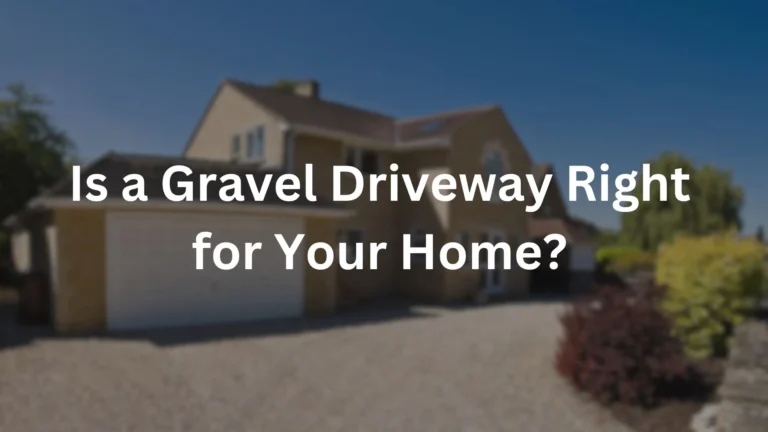

Gravel is one of the oldest driveway surfaces around, and it has never really gone out of fashion. It is affordable, it drains freely and it gives a front garden a relaxed, natural look. It also has some real drawbacks, and most of them come down to how the driveway is built rather than the gravel itself.
At JPD Landscaping & Building Services, we have installed gravel driveways across South East London for over 15 years. This guide gives you an honest view of the pros and cons, what it costs, and the details that decide whether a gravel driveway stays neat for years or turns into a patchy, scattered mess.
Pros and Cons of Gravel
A gravel driveway is a good choice if you want a low cost, free draining surface with a natural look, and you are happy with some light upkeep. It is a poorer choice if you want a perfectly smooth, spotless surface, or if you will be wheeling prams, bins and wheelchairs across it every day.
| Pros | Cons |
| Low cost compared with most surfaces | Gravel can spread onto the road, pavement or lawn |
| Drains freely, so it is permeable | Rutting and bare patches where cars park and turn |
| Quick and simple to install | Weeds can grow through, and it needs topping up |
| Natural, informal look | Harder to walk, push or wheel across |
The Advantages of a Gravel Driveway
Gravel has stayed popular for good reasons. Here is where it genuinely performs well.
Low Cost
Gravel is the most affordable of the common driveway surfaces. With a proper base and grid, it typically costs £70 to £90 per square metre, which is noticeably less than block paving or resin bound at £100 to £130 per square metre. If budget is the deciding factor, gravel is very hard to beat.
Free Draining
Gravel is permeable by nature, so rainwater drains straight through it. In England, a permeable surface generally lets you pave a front garden without planning permission, which makes gravel a simple route through the rules. It also reduces puddles and surface water, though the base beneath still needs to drain properly.
Quick and Simple to Install
Compared with paving or resin, a gravel driveway goes in quickly. There are no joints to fill, no curing time and no dry weather window to wait for, so the job is usually done fast once the groundwork is complete.
A Natural Look
Gravel suits cottages, period homes and informal gardens particularly well. It comes in a range of colours, from soft creams to warm golds and greys, and it sits comfortably alongside planting, borders and mature trees.
The Disadvantages of a Gravel Driveway
It is only fair to be clear about the downsides too, because they are what catch people out.
Gravel Spreads
Loose stones move. Over time, they can spill onto the pavement, the road or the lawn, and they get kicked, scattered and carried on tyres. Without firm edging, the edges of the drive thin out while the borders fill up with stray stones.
Rutting and Bare Patches
Where cars park and turn, the weight pushes the gravel aside and leaves ruts and thin spots. This is most obvious on a drive that has been laid straight onto soil, with no grid to hold the stones in place.
Weeds and Topping Up
Weeds can grow through a thin layer of gravel, particularly if there is no membrane beneath. The stones also gradually thin and settle, so the surface needs raking and topping up. In our experience, a gravel driveway typically needs topping up every 3 to 5 years, depending on how heavily it is used.
Not Easy to Walk or Wheel Across
Loose gravel is harder underfoot than a smooth surface. It can be tiring to push a pram, a wheelchair or a bin across, and it makes a noise when you walk or drive on it. For some households that is a real consideration, and for others it is a welcome security feature, since you can hear anyone approaching.
What Makes a Good Gravel Driveway?
Almost every downside above comes from a driveway that was not built properly. A well built gravel driveway has several things working together, and in our experience all of them are needed.
- A compacted base. A firm sub-base stops the surface sinking and gives the drive a solid foundation.
- A cellular gravel grid. The grid holds the stones in place, which prevents rutting and bare patches.
- A weed membrane. A membrane laid beneath the gravel keeps weeds from growing up through it.
- Firm edging. Solid edging around the whole drive keeps the stones where they belong.
- The right gravel. Angular stones that lock together hold their position far better than rounded ones.
Cut out any one of these, and the problems start to appear. Together, they turn gravel from a scruffy surface into a smart, stable and long lasting one.
Choosing the Right Gravel
The type of gravel matters more than most people expect. We usually recommend angular gravel in the 10mm to 14mm range. Angular stones have rough, irregular edges that lock together, so they stay put under tyres and feet.
Rounded stones, such as pea shingle, look softer and are very popular, but they roll and shift easily. On a driveway, that means more rutting and more stones ending up where you do not want them. If you love the look of a rounded stone, it is better kept for borders and paths than for a surface that cars drive over.
Colour is a matter of taste, but it is worth thinking about the house and surroundings. Lighter gravel brightens a shaded front garden, while darker tones hide dirt and leaves more easily.
What Does a Gravel Driveway Cost?
With a proper base, grid and edging, gravel typically costs £70 to £90 per square metre. Here is what that means for common driveway sizes.
| Driveway Size | Approximate Area | Estimated Cost |
| Single car | 20m² | £1,400 to £1,800 |
| Two cars | 30m² | £2,100 to £2,700 |
| Large drive | 40m² | £2,800 to £3,600 |
Groundwork can change these figures, particularly if an old driveway needs removing, or the site is sloped or soft. As with every driveway surface, the base is where most of the work lies.
A very cheap gravel quote often means no grid, no membrane or thin edging, which are exactly the shortcuts that cause the problems described above.
How Gravel Compares with Other Driveways
Gravel sits at the budget end of the market, but it is not the right answer for every home.
| Surface | Typical Cost per m² | Key Point |
| Gravel with base and grid | £70 to £90 | Lowest cost, free draining, needs upkeep |
| Block paving | £100 to £130 | Strong and repairable, classic look |
| Resin bound | £100 to £130 | Smooth and seamless, low upkeep |
| Permeable block paving | £110 to £140 | Classic look that also meets the permeable rule |
If you want a smooth, tidy finish with very little upkeep, resin or block paving will suit you better. If you want the lowest cost permeable option, or a natural look, gravel is hard to beat.
Gravel and the Planning Rules
Gravel counts as a permeable surface, which helps with the front garden rules. In England, paving a front garden with a permeable surface generally does not need planning permission, whereas a non-permeable surface over more than 5 square metres usually does, unless the water drains to a lawn, border or other permeable area.
There are still other checks to make. A new dropped kerb needs separate council approval, and properties in conservation areas, listed buildings and flats may have extra restrictions. This is general guidance rather than legal advice, so confirm your own situation with your local council.
Common Mistakes with Gravel Driveways
We come across the same mistakes again and again, and they often appear together.
- Choosing the wrong gravel. Rounded stones that shift and roll are the mistake we see most often. They look lovely on day one, then spread and rut within a season or two.
- Laying gravel straight onto soil. With no compacted base, no grid and no membrane, the surface sinks, ruts and fills with weeds.
- Skipping the edging. Without firm edges, the gravel spreads onto the road, pavement and lawn, and the drive gradually thins out.
All three are avoidable, and none of them costs much to get right at the start, compared with putting them right later.
Looking After a Gravel Driveway
The upkeep is light, but it does matter.
- Rake the surface now and then to even out the stones and fill any thin spots.
- Remove weeds as soon as you see them, before they take hold.
- Top up the gravel every 3 to 5 years, or sooner on a heavily used drive.
- Keep leaves and debris off the surface, because they rot down and encourage weeds.
- Check the edging each year, and fix any areas where the gravel is escaping.
Spending a little time on this each season keeps the drive looking smart and stops small problems becoming expensive ones.
Project Example: Fixing a Failed Gravel Drive
One of our typical projects involved a South East London homeowner whose gravel driveway had been laid a few years earlier and had gone wrong.
| Detail | Specification |
| Driveway size | About 24m² |
| Original build | Rounded shingle laid straight onto compacted soil |
| Problems | Deep ruts, bare patches, weeds and stones on the pavement |
| Our fix | Full rebuild with base, grid, membrane, edging and angular gravel |
The original driveway used rounded stones with no grid and no membrane. Within a couple of years, the gravel had been pushed into ruts where the cars parked, weeds were coming through the thin spots, and stones were spreading onto the pavement.
We cleared the old surface and rebuilt the drive properly. That meant a compacted sub-base, a weed membrane, a cellular grid to hold the stones, firm edging around the whole drive, and angular 10mm to 14mm gravel on top. The finished driveway looks smart, stays put under the cars, and needs only occasional raking. It is a good example of why the construction matters far more than the gravel itself.
Frequently Asked Questions
What are the main pros of a gravel driveway?
The main advantages are the low cost, free drainage, quick installation and a natural look. Gravel is typically the most affordable permeable driveway surface, and it can help you avoid planning permission for a front garden.
What are the main cons of a gravel driveway?
The main drawbacks are that gravel can spread onto the road or lawn, ruts and bare patches can form, weeds can grow through, and it needs topping up. It is also harder to walk or wheel across than a smooth surface.
How much does a gravel driveway cost in the UK?
With a proper base and grid, a gravel driveway typically costs £70 to £90 per square metre. A single car drive of about 20 square metres would be roughly £1,400 to £1,800, depending on the groundwork.
How often does a gravel driveway need topping up?
Typically every 3 to 5 years, depending on how heavily it is used and how well it was built. Heavily used areas, such as where cars turn and park, may need attention sooner.
What is the best gravel for a driveway?
We usually recommend angular gravel in the 10mm to 14mm range, because it locks together and stays in place. Rounded stones such as pea shingle shift easily and are better suited to borders than driveways.
Do I need a membrane and a grid for a gravel driveway?
In our experience, yes. A weed membrane keeps weeds down, and a cellular grid holds the stones in place and stops rutting. Together with firm edging, they make a big difference to how long the driveway stays neat.
Do I need planning permission for a gravel driveway?
Gravel is permeable, so it generally avoids the planning requirement that applies to non-permeable surfaces over 5 square metres in an English front garden. You may still need separate approval for a dropped kerb, and extra rules can apply in conservation areas and to flats. Check with your council.
Book a Free Consultation for Your Gravel Driveway
If you are considering a gravel driveway, JPD Landscaping & Building Services offers free consultations across South East London. We will look at your site, explain what a properly built gravel drive involves, and give you a clear, itemised price before any work begins.
Book a free consultation today to start planning your driveway.