How Much Does Decking Cost in the UK? (2026 Price Guide)
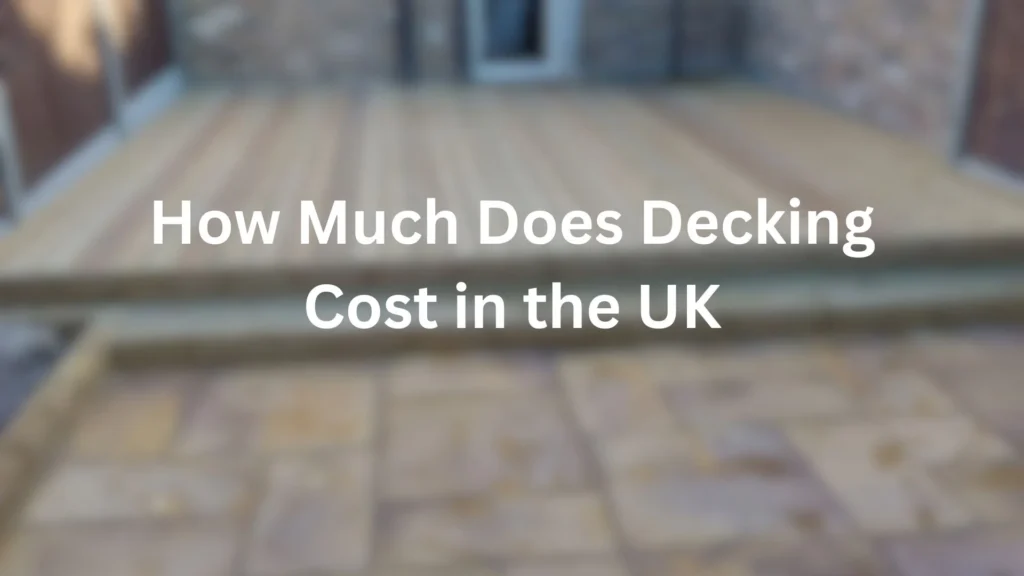
If you’re planning a garden project, decking cost is usually the first question you want answered before anything else. The honest answer is there’s no single number that fits every garden. The price depends on the decking material you choose, the size of your garden, the condition of the ground, and any extra features you add along the way. At JPD Landscaping & Building Services, we’ve installed decking across South East London for over 15 years, from small balcony decks to full 30 square metre garden transformations. This guide breaks down real pricing, explains what actually drives the cost up or down, and includes a real project example so you know exactly what to expect before you get a quote. Average Decking Cost Here’s a simple breakdown of what you can expect to pay, based on real project pricing rather than rough online estimates. Decking Type Cost Per m² (Materials + Labour) Typical Total (20 to 35m² garden) Maintenance Level Softwood decking £120 to £160 £2,400 to £5,600 Higher (yearly treatment) Hardwood decking (Balau, Ipe) £150 to £250 £3,000 to £8,750 Lower These figures are all in, meaning they include installation, not just the raw material cost. Your final price will still depend on your garden’s condition, its size, and whatever extra features you decide to add, so treat these numbers as a strong starting point rather than a fixed quote. Decking Cost Breakdown by Material Softwood Decking Cost Softwood decking, usually pressure treated timber, is the most budget friendly option available. It typically costs £120 to £160 per square metre including installation. It’s a solid choice if you want a natural timber look without the higher price tag of hardwood. The trade off is maintenance. Softwood needs more regular upkeep, including re staining or sealing every year or two, to stop it from greying, warping, or splitting under constant exposure to rain. If you’re happy to spend a weekend each year on upkeep, softwood is a genuinely good value option that still looks great when properly cared for. Hardwood Decking Cost Hardwood decking, such as Balau or Ipe, costs more upfront, typically £150 to £250 per square metre. What you get in return is a much more durable surface that needs far less maintenance over time. Hardwood also has a richer, more premium finish, which is why it tends to be the go to choice for larger, feature focused garden makeovers where appearance matters as much as function. Our take: most of our SE London customers choosing a garden they’ll use for entertaining or high foot traffic go with hardwood, since it holds up better against London’s wet weather and simply lasts longer than softwood. Over a ten year period, many customers find the higher upfront cost balances out because they’re not replacing boards or repainting every season. What Affects Your Decking Cost the Most? Material choice isn’t the only thing that changes your final price. Based on our own project history, here’s what really moves the number up or down. Average Project Size and Total Cost Most of the decking projects we complete in SE London fall in the 20 to 35 square metre range. That’s large enough for a proper dining and seating area, but not so big that it takes weeks to finish. Garden Size Softwood Total Cost Hardwood Total Cost 10m² (small) £1,200 to £1,600 £1,500 to £2,500 20m² (medium large) £2,400 to £3,200 £3,000 to £5,000 35m² (large) £4,200 to £5,600 £5,250 to £8,750 These figures assume relatively straightforward groundwork. If your garden needs significant levelling or has drainage issues, add roughly 10 to 20 percent to account for the extra site work. How Long Does Decking Installation Take? For a typical residential project, installation takes three to five days from start to finish. This includes site preparation, laying the substructure, fitting the boards, and finishing touches like edging. This timeline can extend if your garden needs significant ground levelling, or if you’re adding steps, multi level sections, balustrades, or built in lighting. A straightforward flat garden with a simple single level deck might be finished in as little as two to three days, while a sloped garden with multiple features can stretch closer to a week. Real Project Example: Large Hardwood Deck in SE London One of our recent projects involved a 32 square metre sloped garden in South East London. The client wanted a hardwood deck that could handle a steep drop at the back of the garden, plus a proper social space for entertaining friends and family. The project involved full ground levelling and regrading to deal with the slope, which turned out to be the biggest single cost factor on this job. This kind of groundwork is very similar to what’s needed on many retaining wall projects, where managing a level change safely is just as important as the finished surface itself. We then laid hardwood decking, specifically Balau, across the main level. A set of steps connected this main level to a lower section of the garden, and we added balustrades along the raised edge for safety. To finish it off, we installed built in lighting along the step edges and around the deck perimeter, so the space could be used comfortably in the evenings. Project snapshot: Detail Specification Garden size 32m² Material Hardwood (Balau) Key features Steps, balustrades, built in lighting Main cost driver Ground levelling on a sloped garden Timeline 5 days The result was a garden that went from unusable and awkward to a fully functional, well lit outdoor space that works for everyday family use as well as hosting guests. It’s a good example of why ground preparation, not just material choice, often ends up deciding your final decking cost. Softwood vs Hardwood Decking: Which Should You Choose? Factor Softwood Hardwood Upfront cost Lower Higher Maintenance Needs yearly treatment Low maintenance Lifespan Shorter Longer Weather resistance Moderate Strong Best for Budget conscious projects Long term, low maintenance gardens If upfront cost is your main