Building a stone patio involves a structured process that includes planning, excavation, preparing a solid base, laying the stones, and finishing with proper jointing. Each step is essential to ensure the patio is level, durable, and able to withstand the UK’s changing weather conditions. In areas like Peckham and across Greater London, stone patios are especially popular for transforming small gardens into functional outdoor living spaces, perfect for relaxing or entertaining.
For homeowners, understanding how a patio is built highlights why proper groundwork and drainage are so important. At JPD Landscaping & Building Service, we specialise in designing and installing high-quality stone patios tailored to urban gardens and tight spaces. This guide will walk you through the full process, from choosing materials to knowing when it’s best to hire professionals, helping you make informed decisions for your outdoor space.
What Is a Stone Patio and Why Choose One?
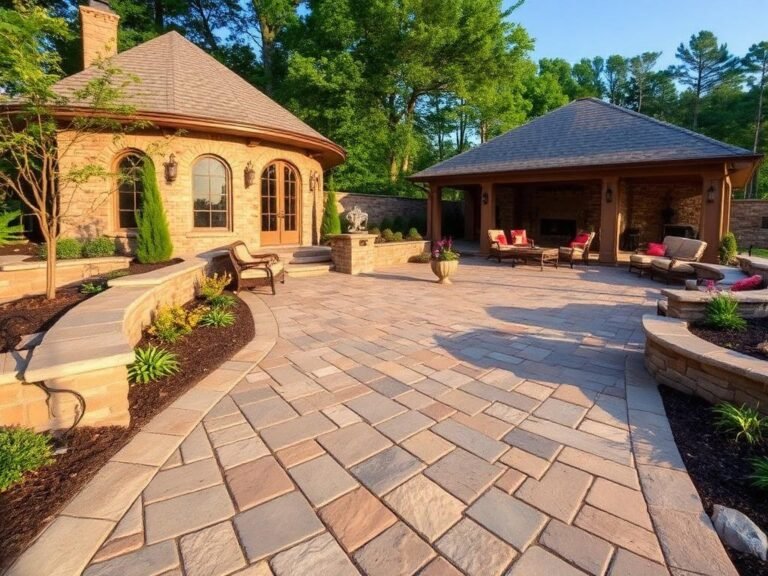
A stone patio is an outdoor paved surface made using natural stone slabs or paving materials, designed to create a stable and attractive area for seating, dining, or relaxing. It is a popular feature in UK gardens, particularly in urban areas like South East London, where homeowners want to maximise usable outdoor space. Stone patios are valued for their durability, timeless appearance, and ability to blend seamlessly with different garden styles.
Unlike other materials, natural stone offers excellent resistance to weather and wear, making it suitable for year-round use. Whether used for a small seating area, a pathway, or a larger terrace, a well-built stone patio enhances both functionality and visual appeal. It’s a long-term investment that can significantly improve how your outdoor space is used and enjoyed.
Benefits of Stone Patios
Stone patios are known for their long lifespan and ability to withstand harsh weather conditions, making them a reliable choice for UK gardens. Natural stone materials such as sandstone, limestone, and slate are highly durable and resistant to wear, ensuring the patio remains in good condition for many years. With proper installation, a stone patio can last decades with minimal maintenance.
In addition to durability, stone patios offer a natural and premium appearance that enhances the overall look of a garden. Each stone has unique textures and colours, creating a visually appealing and bespoke finish. This not only improves the outdoor environment but can also increase property value and kerb appeal, making it a worthwhile investment for homeowners.
Where Stone Patios Work Best
Stone patios work best in gardens that are flat or have a gentle slope, where a stable base can be easily created. However, with proper preparation and design, they can also be installed in more complex spaces, including terraced or uneven gardens. In cities like London, where outdoor areas are often compact, stone patios are ideal for making the most of limited space.
They are particularly well-suited for outdoor dining areas, seating zones, and entertainment spaces. A well-placed patio can transform an unused garden into a functional extension of the home. With the right layout and materials, even small urban gardens in Peckham can benefit from a stylish and practical stone patio.
Tools and Materials Needed to Build a Stone Patio
Building a stone patio requires a combination of the right tools and high-quality materials to ensure a professional and long-lasting finish. Proper preparation is key, and having the correct equipment helps achieve accurate measurements, level surfaces, and secure installation. Whether you’re planning a DIY project or hiring professionals, understanding what’s involved can help you better plan your patio build.
The tools are used for excavation, leveling, and placement, while the materials form the structure and surface of the patio. Each component plays a role in ensuring stability, drainage, and durability. Using the correct combination of tools and materials is essential to prevent issues such as uneven slabs, poor drainage, or early wear and tear.
Essential Tools
To build a stone patio, several essential tools are required to prepare the ground and lay the slabs accurately. A shovel and rake are used for excavation and leveling the soil, while a spirit level ensures the surface remains even throughout the process. A rubber mallet is important for gently adjusting the position of the slabs without damaging them.
A plate compactor is often used to compact the sub-base, creating a firm and stable foundation. In addition, string lines and measuring tools are crucial for marking out the patio area and maintaining straight edges. Using the right tools not only makes the job easier but also helps achieve a more precise and professional finish.
Materials Required
The materials used in a stone patio are just as important as the tools, as they determine the strength and appearance of the finished surface. Natural stone slabs or paving stones form the visible layer of the patio and come in a variety of styles and finishes. Choosing high-quality materials ensures durability and long-term performance.
Beneath the surface, a sub-base made from MOT Type 1 aggregate provides a solid foundation that supports the weight of the patio. A bedding layer of sharp sand or a sand-and-cement mix is used to position the slabs evenly. Finally, jointing compounds or mortar are applied between the stones to secure them in place and prevent movement. Proper material selection is key to building a patio that lasts.
Step-by-Step: How Do You Build a Stone Patio
Building a stone patio is a structured process that requires careful preparation and attention to detail at every stage. From the initial planning to the final finishing touches, each step ensures the patio is stable, level, and built to withstand the UK’s weather conditions. In areas like Peckham and Greater London, where drainage and limited space can be challenges, following the correct method is essential for long-term durability.
A well-built patio is not just about appearance—it relies heavily on a strong foundation, proper drainage, and precise installation. Skipping any step or rushing the process can lead to uneven surfaces, sinking slabs, or water pooling issues. Below is a step-by-step breakdown of how a professional stone patio is built, helping you understand what goes into creating a high-quality outdoor space.
1. Planning and Design
The first step in building a stone patio is careful planning and design. This involves measuring the area and marking out the layout using string lines or spray markers to define the shape and boundaries. At this stage, it’s important to consider how the patio will be used and how it fits into the overall garden design.
Drainage is a key factor, especially in the UK where rainfall is frequent. The patio should be designed with a slight slope to allow water to run away from the property. Choosing the right type of stone and laying pattern is also essential, as it affects both the appearance and installation process. Proper planning ensures the project runs smoothly and delivers the desired result.
2. Excavation and Ground Preparation
Once the design is finalised, the next step is excavation and ground preparation. This involves removing any turf, soil, and debris from the marked area and digging down to a depth of around 150–200mm. The exact depth may vary depending on the ground conditions and the type of patio being installed.
After excavation, the ground must be levelled and compacted to create a stable base. Any soft or uneven areas should be addressed to prevent future movement. Proper preparation at this stage is crucial, as it forms the foundation for the entire patio. A well-prepared base reduces the risk of sinking, shifting, or uneven slabs over time.
3. Laying the Sub-Base
The sub-base is one of the most important layers in a stone patio, as it provides the strength and stability needed to support the surface. Typically, MOT Type 1 aggregate is spread evenly across the excavated area to form this layer. This material is designed to compact tightly, creating a solid and durable foundation.
Once the sub-base is in place, it must be thoroughly compacted using a plate compactor. This ensures there are no air pockets or loose areas that could cause the patio to settle unevenly. In some cases, the sub-base may be added in layers and compacted multiple times for extra stability. A strong sub-base is essential for preventing long-term issues and ensuring the patio remains level.
4. Adding Bedding Layer
After the sub-base has been compacted, a bedding layer is added to support the stone slabs. This layer is usually made from a sand and cement mix or sharp sand, depending on the installation method. It provides a smooth, workable surface that allows the slabs to be positioned accurately.
The bedding layer must be carefully levelled to ensure an even surface across the entire patio area. This step requires precision, as any inconsistencies can affect how the slabs sit and align. A properly prepared bedding layer helps secure the stones in place and contributes to the overall stability and finish of the patio.
5. Laying the Stone Slabs
With the bedding layer ready, the stone slabs can be laid in the desired pattern. Each slab is carefully placed onto the bedding and gently tapped into position using a rubber mallet. Consistent spacing between the slabs is important to maintain a neat and uniform appearance.
A spirit level is used throughout this process to ensure each slab is even and aligned with the others. Adjustments are made as needed to achieve a flat, stable surface. This stage requires patience and accuracy, as the final look and functionality of the patio depend on how well the slabs are laid. Proper installation ensures the patio is both visually appealing and structurally sound.
6. Jointing and Finishing
The final step in building a stone patio is jointing and finishing. Once all the slabs are in place, the gaps between them are filled with mortar or a specialist jointing compound. This helps lock the slabs together, preventing movement and improving the overall strength of the patio.
After jointing, the surface is cleaned to remove any excess material and ensure a neat finish. The patio is then left to set and cure properly before use. Additional finishing touches, such as edging or landscaping around the patio, can further enhance its appearance. A well-finished patio not only looks professional but also ensures long-term durability and performance.
Types of Stone Used for Patios in the UK
When building a stone patio, the type of material you choose has a major impact on the final appearance, durability, and cost of the project. In the UK, homeowners often select between natural stone and manufactured paving options depending on their budget and design preferences. Each material offers different benefits, so understanding the differences helps ensure the right choice for your garden.
In areas like Peckham and Greater London, where outdoor spaces are often compact, the choice of stone also influences how visually open or structured the garden feels. Some materials offer a more traditional, natural look, while others provide a clean and uniform finish. Selecting the right stone ensures the patio not only looks good but also performs well over time.
Natural Stone Options
Natural stone is one of the most popular choices for high-quality patios due to its durability and timeless appearance. Common options include sandstone, limestone, slate, and granite, each offering unique textures, colours, and strengths. Sandstone is widely used for its warm tones and versatility, while limestone provides a smoother, more refined finish.
Slate is known for its rich colour variation and modern appeal, making it ideal for contemporary gardens. Granite, on the other hand, is one of the most durable options available, offering excellent resistance to wear and weathering. While natural stone tends to be more expensive, it delivers a premium finish and long lifespan, making it a popular choice for long-term outdoor investments.
Manufactured Stone Alternatives
Manufactured stone, most commonly in the form of concrete paving slabs, is a more affordable alternative to natural stone. These slabs are designed to mimic the appearance of natural materials while offering greater consistency in size, shape, and colour. This makes installation quicker and more predictable.
Concrete slabs are widely used in UK gardens due to their cost-effectiveness and practicality. They are available in a variety of styles, from smooth modern finishes to textured designs that resemble natural stone. While they may not offer the same unique appearance as natural materials, they provide a durable and low-maintenance solution suitable for many residential patio projects.
Common Mistakes to Avoid When Building a Stone Patio
Building a stone patio requires careful attention to detail, and even small mistakes can lead to long-term problems. One of the most common issues is poor drainage, which can cause water to pool on the surface or underneath the slabs. This not only affects usability but can also lead to structural damage over time.
Another frequent mistake is failing to create a strong, level base. A weak or uneven foundation can result in sinking or shifting slabs, making the patio unsafe and unattractive. Incorrect spacing between slabs and poor leveling can also affect both appearance and stability. Additionally, skipping proper compaction of the sub-base is a major error that often leads to premature failure of the patio. Avoiding these mistakes is essential for a long-lasting and professional finish.
DIY vs Professional Stone Patio Installation
Choosing between DIY and professional installation depends on the size, complexity, and desired quality of the patio. While some homeowners may attempt smaller projects themselves, larger or more detailed installations often require professional expertise to ensure durability and proper construction.
Understanding when each option is suitable helps avoid costly mistakes and ensures the finished patio meets expectations in both appearance and performance.
When DIY Is Suitable
DIY patio installation is generally suitable for small, simple layouts with minimal design complexity. Homeowners with basic tools and some landscaping experience may be able to complete straightforward projects such as small seating areas or basic rectangular patios.
However, even DIY projects require careful planning, proper base preparation, and attention to drainage. Without these, the patio may not last as long or perform as expected. DIY is best for low-risk, small-scale installations where precision and structural demands are minimal.
When to Hire Professionals
Professional installation is recommended for larger patios, complex designs, or projects involving drainage challenges and uneven ground. Experienced contractors ensure the correct materials, base depth, and installation techniques are used for long-term durability.
Professionals also handle levelling, compaction, and finishing to a higher standard, reducing the risk of future issues such as sinking slabs or water pooling. In most cases, hiring experts provides a stronger, longer-lasting, and more visually polished result, especially for properties in busy urban areas like London.
Stone Patio Installation in Peckham & Greater London
Stone patio installation in Peckham and across Greater London comes with unique challenges that can affect both planning and construction. Many properties in these areas have limited garden space, restricted access, or uneven ground conditions, all of which require careful preparation and tailored solutions.
Transporting materials and equipment can also be more difficult in urban settings, often increasing labour time and project complexity. As a result, installation costs in London may be higher compared to other parts of the UK. This makes proper planning and experienced workmanship even more important.
Working with local specialists ensures these challenges are managed effectively. Understanding soil conditions, drainage requirements, and space limitations allows for a more efficient installation process. With the right expertise, even small urban gardens can be transformed into high-quality, long-lasting stone patios.
Why Choose JPD Landscaping & Building Service
Choosing the right contractor is essential when planning a stone patio, especially if you want a long-lasting and professionally finished result. At JPD Landscaping & Building Service, we are based locally in Peckham and proudly serve South East London and the wider Greater London area. Our team understands the specific challenges of urban gardens, including limited access, uneven ground, and drainage requirements.
We specialise in patios, paving, and complete outdoor transformations, helping homeowners turn unused garden spaces into functional and attractive outdoor living areas. Every project is tailored to suit the client’s space, style, and budget, ensuring a balance between practicality and design. We also focus on delivering cost-effective solutions without compromising on quality or durability. With free quotes and consultations available, we make it easy for homeowners to get expert advice before starting their project.
Our Clients Also Asked:
How do you build a stone patio step by step?
A stone patio is built by planning the layout, excavating the area, laying a sub-base, adding a bedding layer, placing the stones, and finishing with jointing.
Each stage is important to ensure the patio is stable, level, and long-lasting.
Proper drainage must be included to prevent water pooling and structural issues over time.
How deep should a stone patio base be?
A typical stone patio base is around 150–200mm deep, including both sub-base and bedding layers.
The exact depth depends on soil conditions, usage, and garden layout.
A properly compacted base is essential to prevent sinking or movement of slabs.
Can I build a stone patio myself?
Yes, small and simple patios can be built as DIY projects with the right tools and preparation.
However, it requires careful attention to detail, especially in leveling and base preparation.
Larger or more complex patios are best handled by professionals for lasting results.
How long does a stone patio last?
Natural stone patios can last anywhere from 25 to 50 years or more with proper installation.
The lifespan depends on the quality of materials and workmanship used during construction.
Regular maintenance and good drainage can significantly extend durability.
Final Thoughts: How Do You Build a Stone Patio?
Building a stone patio is a multi-step process that requires careful planning, strong groundwork, and precise installation. From excavation and base preparation to laying stones and finishing joints, each stage plays a vital role in creating a durable and visually appealing outdoor space. Skipping or rushing any step can lead to long-term issues such as uneven surfaces or drainage problems.
The most important elements of a successful patio are a solid sub-base and effective drainage, ensuring the structure remains stable through changing weather conditions. While DIY is possible for smaller projects, professional installation guarantees better quality, durability, and finish.
For homeowners in Peckham and Greater London, JPD Landscaping & Building Service provides expert patio design and installation tailored to your garden. Contact us today for professional advice and a free consultation to transform your outdoor space.