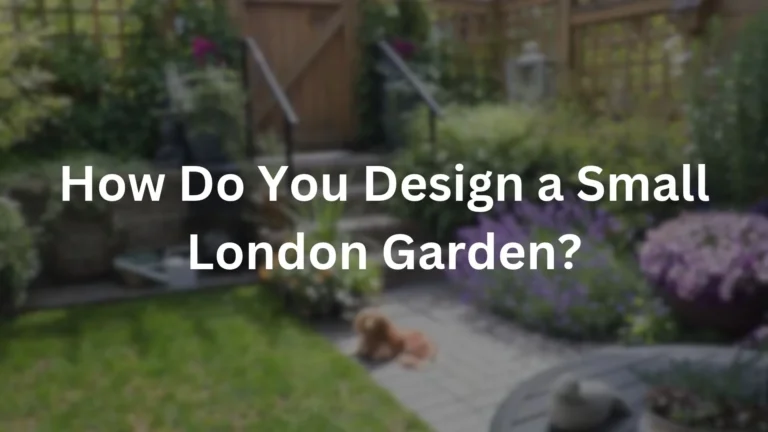
How Do You Design a Small London Garden?
A small garden is not a limitation, it is a design challenge, and a good one. In London especially, outdoor space is precious, and the difference between a cramped yard and a space you love is rarely about size. It is about how the space is organised, which materials you choose, and how well the garden suits its shape.
At JPD Landscaping & Building Services, we design and build gardens across South East London, and most of them are small. This guide goes through the main garden shapes we see, with ideas that work for each, plus the mistakes that make small gardens feel smaller than they are.
Start with the shape of your garden, because the best layout depends on it. Small square or rectangular gardens suit a zoned layout with a patio, a border and a small lawn. Long, narrow gardens work best with built-in seating and storage so that no space is wasted. Courtyards need clever planting and good drainage, and basement or lower ground gardens need light, reflective materials and careful water management.
| Garden Shape | Main Design Approach |
| Small square or rectangular | Zone it into a patio, border and small lawn |
| Long and narrow | Build in seating and storage, and break it into rooms |
| Courtyard with no lawn | Containers, raised beds and vertical planting |
| Basement or lower ground | Light surfaces, shade tolerant planting and strong drainage |
Principles That Work in Every Small Garden
Before looking at individual shapes, a few ideas apply almost everywhere.
- Use fewer materials. Three or four materials used well look calmer and larger than ten used at random.
- Choose light, neutral colours. Light paving and walls reflect light, and make a space feel more open.
- Make every element do two jobs. Seating with storage, planters that also form edging and steps that double as seats all save space.
- Think vertically. Climbers, wall planters and trellis add greenery without using floor area.
- Keep clear lines. Simple, uncluttered shapes feel larger than lots of small, fiddly features.
- Plan lighting from the start. Good lighting extends the use of the garden into the evening, and makes it feel bigger after dark.
- Get the groundwork right. In a small space, levels and drainage matter more, because there is nowhere for water to go.
Small Square or Rectangular Gardens
This is the shape we design for most often in South East London, and it is a good one to work with. A small square or rectangular back garden has enough room for a few distinct areas, as long as they are planned carefully.
Zone the Space
The most effective approach is to divide the garden into two or three simple zones. A typical layout includes a patio for dining and sitting, a planted border and a small lawn or planted area. Giving each zone a clear job stops the garden feeling like a single, undefined space.
Use an L Shaped Patio
Placing the patio in an L shape, wrapping around one corner, frees up space for a lawn or planting while still giving you a generous seating area. It also creates a natural route through the garden. Our patio and hardscaping installation service covers the materials and layouts that suit compact gardens.
Add Diagonal or Curved Lines
A square garden can feel boxy. Laying paving on the diagonal, or softening the lawn with a gently curved edge, leads the eye across the longest sight line and makes the garden feel bigger. Diagonals and curves also draw attention away from the boundaries.
Choose Large Format Paving
Larger slabs mean fewer joints, and fewer joints make a patio look calmer and more spacious. Porcelain is a good choice, because it is low maintenance and available in light, neutral tones.
Make a Focal Point
A small tree, a feature pot, a piece of sculpture or a simple water feature at the far end gives the eye somewhere to go, and helps the garden feel longer.
Long and Narrow Terraced Gardens
Long, thin gardens are typical of London terraces, and they are the shape that benefits most from clever design. Left alone, they feel like a corridor. The aim is to turn that corridor into a series of spaces.
Build In Seating and Storage
In our experience, the best single trick for a narrow garden is building in seating and storage, so that no space is wasted. A bench along a boundary, with storage beneath it, gives you somewhere to sit and somewhere to put cushions, tools and toys, all without taking up floor space.
Because the seating is built in, it also keeps the centre of the garden clear, which makes the space feel wider. Built-in features can be finished to match the paving or fencing, so they look like part of the garden rather than extra furniture.
Break It into Rooms
A long garden feels more interesting when it is divided into areas, each with its own character. A seating area near the house, a middle section with planting or a small lawn and a quiet corner at the far end create a sense of journey.
You can separate the areas with planting, a change in paving, a screen or a pergola. A simple pergola over a seating area creates a distinct room, and it gives climbers a place to grow. Slatted screens and well chosen boundaries also help, and our garden fencing service covers the options for dividing and framing a narrow plot.
Use Cross Lines and Zigzag Paths
Lines that run across the garden make it feel wider, while lines that run along it make it feel longer and narrower. Using stepping stones, paving bands or a path that zigzags gently down the garden breaks up the length and adds interest.
Finish with a Focal Point
A narrow garden benefits from something to look at at the end, such as a statement plant, a mirror, a piece of sculpture or a small seating spot. It makes the garden feel purposeful rather than just long.
Courtyard and Patio Only Gardens
Some London homes have no lawn at all, just a paved courtyard. These gardens are small, but they can be some of the most atmospheric, because every detail counts.
- Use containers and raised beds. With no soil, planting has to go into pots, troughs and raised beds. A few large pots look better than many small ones.
- Go vertical. Climbers, wall planters and trellis bring a courtyard to life without using floor space. Clematis, jasmine and climbing hydrangea are good choices.
- Choose a simple floor. One continuous paving material, ideally light and large format, makes a courtyard feel calmer and bigger.
- Add water. A small wall mounted or bubbling feature adds sound and a focal point, and it takes up almost no space.
- Think about privacy. Screens and planting can soften overlooking from neighbours without making the space feel enclosed.
Drainage matters more in a courtyard than people realise. With all hard surfaces, rainwater has to go somewhere. A gentle fall away from the house, and a channel drain or gully where needed, keep the space dry and usable.
Basement and Lower Ground Gardens
Basement and lower ground gardens, sometimes called lightwells, are surrounded by walls and receive less direct sun. They can be beautiful, but they need extra care in three areas.
Light
Because these gardens get little direct light, use pale, reflective surfaces. Light porcelain paving and light painted walls bounce light around, and they make a dark space feel brighter. Mirrors, used carefully, can add to the effect. Lighting also does a great deal of work here, and our guide on how to install landscape lighting explains how to light a small space safely and attractively.
Planting
Choose plants that cope with shade. Ferns, hostas, sarcococca, fatsia and many evergreens do well, and they keep the space green all year round. Climbers on the walls add height and softness.
Drainage and Walls
Water collects in the lowest part of a property, so drainage in a basement garden needs particular attention. A proper fall, a well placed drain and a sound base keep the space dry and protect the walls. Retaining walls around the space should also be properly built and in good condition, and our retaining wall installation service covers new walls and repairs. This is an area where professional advice makes a real difference.
Materials and Colours for Small Gardens
The materials you choose have a large effect on how a small garden feels.
- Paving: Large format, light porcelain or natural stone in neutral tones feels spacious and calm.
- Decking: Composite decking is a good low maintenance option. Choose a textured board for grip in wet weather.
- Boundaries: Tall, solid, dark fences can make a small garden feel enclosed. Lighter finishes, slatted screens and climbers soften the edges.
- Edging: Clean, simple edging keeps lines crisp and stops lawn and borders spilling into each other.
Planting for Small Gardens
Planting is what brings a small garden to life, and in a limited space, every plant has to earn its place.
- Choose plants that look good for more than one season.
- Use evergreens for structure, so the garden does not look bare in winter.
- Layer planting, with climbers at the back, shrubs in the middle and low plants at the front.
- Match plants to your soil and light. Many London gardens sit on heavy clay, so choose plants that tolerate wet winters and baking summers.
- Keep the palette simple. A limited colour scheme looks calmer and larger.
For more help pulling colour, planting and furniture together, our guide on how to decorate an outdoor garden is a useful next read.
The Mistakes That Make Small Gardens Feel Smaller
We see the same mistakes repeatedly, and they often appear together.
- Too many features. A small garden filled with a patio, a shed, a trampoline, a water feature and a barbecue feels cramped. Choose the few things you really use.
- Ignoring levels and drainage. In a small space, damp and puddles are impossible to avoid, and they ruin what is otherwise a good design.
- Dark, heavy materials and tall solid boundaries. These absorb light and close in the space, making a small garden feel even smaller.
All three are avoidable. A simple, well planned design with light materials and proper groundwork will almost always look better than a busy one.
Planning and Budgeting a Small Garden
A small garden is cheaper to build than a large one, but the cost per square metre is often higher, because groundwork, access and finishing take just as much care. Narrow side passages can make deliveries and machinery harder, which adds time, and it is worth thinking about access before you finalise a design.
It helps to decide what matters most and spend on that first. Good groundwork and the main hard surfaces are worth doing well, while planting can be built up over a couple of seasons. Our guide on how much it costs to landscape a garden breaks down where the money goes, and a free consultation will give you an accurate price for your own space.
Project Example: A Small Rectangular Back Garden
One of our typical projects involved a South East London home with a small, rectangular back garden that the owners rarely used.
| Detail | Specification |
| Garden | About 8 metres by 5 metres |
| Problems | A patchy lawn, a small tired patio, a damp corner and nowhere to store things |
| Owners’ wishes | A place to eat outside, storage for tools and toys, and some planting |
| Our design | An L shaped porcelain patio, built-in bench with storage, a curved lawn and planted borders |
The owners felt the garden was too small to do much with. When we visited, we found that the space itself was perfectly adequate, but it had no structure, and the damp corner was caused by water pooling where the levels sagged.
The garden now has three clear zones, looks larger than before, and is used throughout the year. It is a good example of how a small garden benefits from planning, rather than from more features.
Frequently Asked Questions
How do you make a small London garden look bigger?
Use light, neutral colours, large format paving and fewer materials. Add diagonal or curved lines, keep boundaries lighter, and use vertical planting. Building in seating and storage also keeps floor space clear, which makes the garden feel more open.
What is the best layout for a long, narrow garden?
Break it into rooms, with a seating area near the house, a middle section of planting or lawn, and a focal point at the end. Build in seating and storage so that no space is wasted, and use cross lines or a zigzag path to make the garden feel wider.
How do you design a small square garden?
Zone it into two or three areas, such as a patio, a border and a small lawn. An L shaped patio wrapping around a corner frees up the rest of the garden, and diagonal or curved lines soften the boxy shape.
What can you do with a courtyard garden?
Use containers, raised beds and vertical planting, keep the paving simple and light, and consider a small water feature. Plan drainage carefully, because with all hard surfaces, the water needs somewhere to go.
How do you design a basement garden?
Use light, reflective surfaces, shade tolerant plants such as ferns, hostas and sarcococca, and pay particular attention to drainage and the condition of the walls. Good lighting also helps the space feel brighter.
What are the best plants for a small garden?
Choose plants that look good over several seasons, such as evergreens, climbers and compact shrubs. Layer them so that tall plants sit at the back and low ones at the front, and keep the colour palette simple.
Do small gardens need drainage?
Yes, often more than larger ones. A small garden has less space for water to disperse, so poor levels and hard surfaces can cause damp and puddles. A gentle fall away from the house, and a drain where needed, solve most problems.
How much does a small garden redesign cost?
It depends on the size, the materials and the groundwork. A free consultation is the best way to get an accurate, itemised price for your own garden.
Book a Free Consultation for Your Small Garden
If you would like to make more of a small London garden, JPD Landscaping & Building Services offers free consultations across South East London. We will look at your space, talk through how you want to use it, and give you a clear, itemised price before any work begins.Book a free consultation today to start planning a small garden you will love.