A crack in your driveway rarely stays small. Water gets in, freezes in winter, expands, and turns a hairline gap into something much wider. Left alone, the damage spreads into the base underneath, and what could have been a simple repair becomes an expensive one.
At JPD Landscaping & Building Services, we repair and rebuild driveways across South East London, and we have done so for over 15 years. This guide explains why driveways crack, how to repair each common surface, and how to tell when a repair will not be enough.
A quick note first. This is general guidance based on our experience. Every driveway and every crack is different, so if you are unsure about the cause or the safe repair method for your own property, ask a qualified contractor to take a look.
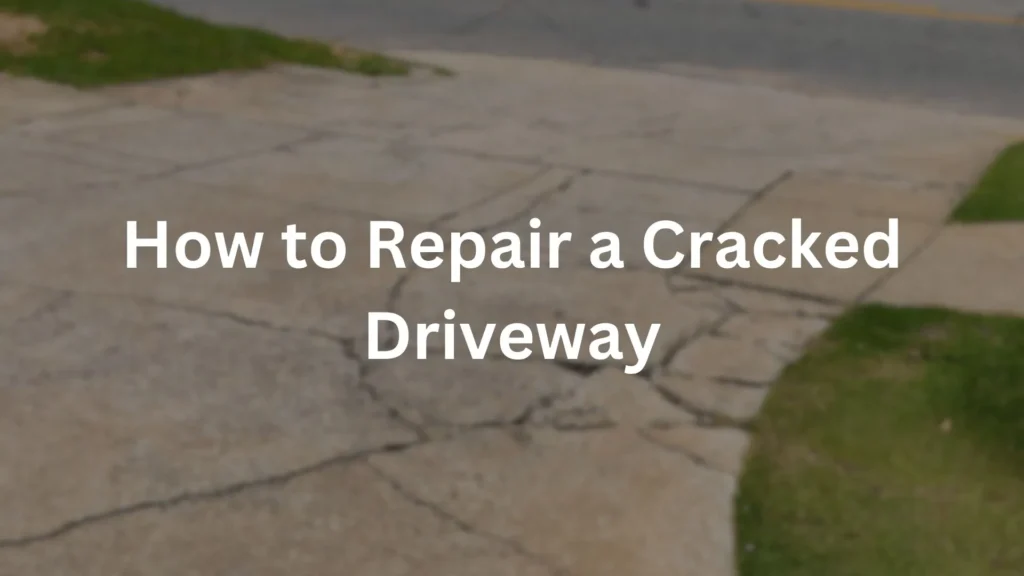
How to Repair a Cracked Driveway
Clean the crack out, fill it with a filler that suits your surface, and seal it so water cannot get back in. That works for small cracks. But before you repair anything, find out why it cracked. If the cracks are widespread, keep coming back or sit alongside sunken areas and puddles, the base has probably failed, and filling the cracks will only be a short term fix.
| Crack Type | Usual Approach |
| Hairline cracks | Clean, fill and seal |
| Wider cracks that keep opening | Investigate the base before repairing |
| Potholes and broken edges | Cut out and patch |
| Sunken or broken sections | Remove and rebuild |
| Widespread cracking | Likely a failed base, so plan a rebuild |
Why Driveways Crack
Understanding the cause is the key to a repair that lasts. In our experience, most cracks come from a handful of problems, and they often appear together.
- A weak or poorly compacted base. This is the most common cause. If the foundation is thin or soft, the surface above it moves, sinks and cracks.
- Frost and freeze-thaw. Water in small gaps freezes and expands, then thaws and lets more water in. Over several winters, this widens cracks and breaks up surfaces.
- Poor drainage. Water that pools or seeps into the base weakens it, and makes frost damage worse.
- Tree roots. Roots growing beneath a driveway can lift and split the surface.
- Heavy loads. Delivery lorries or skips can overload a drive that was built for cars.
- Age and wear. Surfaces dry out, fade and become brittle over time, particularly tarmac.
- No expansion joints. Concrete expands and contracts with temperature, and without joints to take that movement, it cracks.
Our guide to the best driveway material for UK weather explains how frost, rain and shade attack each surface, which helps you see why some cracks keep returning.
Start by Assessing the Crack
Before you buy any filler, look carefully at what you are dealing with. A few simple checks tell you a lot.
- Width. Hairline cracks of a few millimetres are usually surface issues. Wider cracks suggest movement beneath.
- Depth. Can you see through the surface, or is it just a surface line?
- Movement. Is one side of the crack higher than the other? That points to settlement.
- Pattern. A single crack is different from a web of cracks. A pattern of interconnected cracks, sometimes called crazing or alligator cracking in tarmac, usually points to base failure.
- Surroundings. Are there puddles, dips or a visible slope towards the house? Drainage problems often sit behind cracks.
If a crack is narrow, stable and not accompanied by dips or puddles, a repair is usually worthwhile. If it is wide, uneven or spreading, take that as a sign that the base needs attention. The same diagnostic thinking applies to paved areas elsewhere, and our guide on patio drainage problems and fixes explains how to tell a settling problem from a fall problem.
Repairing a Cracked Tarmac Driveway
Tarmac is one of the surfaces that cracks most often, particularly as it ages. The repair depends on the size of the problem.
Small Cracks
Clear out the crack with a wire brush and remove any loose material, dust and weeds. Then fill it with a tarmac crack filler or bitumen based sealant, following the instructions on the product. Choose a dry day, and let it cure before driving over it.
Potholes and Broken Edges
For potholes, the damaged area is cut back to firm tarmac with clean, straight edges, then filled and compacted with a suitable repair material. Compaction matters, because a loosely filled pothole will sink again.
Widespread Cracking
If the cracking covers much of the drive, a patch will not solve it. A web of cracks usually means the base has failed, and the real fix is resurfacing, or removing the tarmac and rebuilding the base. Patches also tend to show against the older surface, because new tarmac looks different from weathered tarmac. Our tarmac driveway cost guide explains what a properly built tarmac drive includes, which helps you judge whether a quote for replacement is realistic.
Repairing a Cracked Concrete Driveway
Concrete is hard wearing, but it is rigid, so it cracks when the ground moves or when it expands and contracts without room to do so.
Small Cracks
Clean the crack thoroughly, removing loose material and dirt. Fill it with a flexible concrete crack filler or a suitable sealant, which allows for small amounts of movement. Smooth the surface and let it cure fully.
Wider Cracks and Settled Slabs
Wider cracks often mean that one slab has settled or moved. Filling these without addressing the cause is rarely effective, because the movement continues and the crack reopens. A settled slab may need to be lifted and re-supported, or removed and replaced.
Prevention
Concrete benefits from properly placed expansion and control joints, which give it room to move. If your drive lacks them, cracks are more likely to recur. Our comparison of a concrete patio vs a paved patio explains how expansion joints prevent cracking, and the same principle applies to a concrete driveway. If you are planning a replacement pour, our guide on how to lay a concrete base covers mixing, compaction and curing.
Repairing a Cracked Block Paving Driveway
Block paving behaves differently. Because it is made of individual blocks locked together, it does not crack in long lines. The usual problems are individual cracked blocks, or areas that have sunk.
Cracked or Damaged Blocks
A damaged block can be lifted out, and the bedding layer checked and levelled. A new block is then set in and tapped down flush with its neighbours, and the joints are refilled with jointing sand. This is one of block paving’s real strengths, because the repair is almost invisible.
Sunken Areas
If a section has sunk, the blocks are lifted and set aside, the bedding is re-levelled, and the blocks are relaid. A single sunken patch is a simple job. If several areas keep sinking, the problem usually lies in the base or the edging rather than in the blocks themselves.
Keeping It Tight
Make sure the joints are full of sand afterwards, and the edge restraint is firm. Loose edging allows blocks to spread, which opens up gaps and invites movement. Our guide to block paving driveway maintenance covers re-sanding, cleaning and relaying a single block in more detail, and our comparison of jointing compound and sand explains which jointing suits a repaired drive.
Repairing a Cracked Resin Driveway
Resin bound surfaces are smooth and seamless, which makes cracks stand out, and repairs harder to hide.
Hairline Cracks
Very fine cracks may be surface level, and they can sometimes be dealt with by cleaning and a localised repair. Be aware that new resin rarely matches weathered resin exactly, so a patch can show.
Cracks Caused by Base Movement
Resin does not flex, so a crack usually means the base beneath has moved. Filling it from above will not stop the movement, and the crack tends to come back. The reliable repair is to cut out the affected area, fix the base and relay the resin.
If you are weighing resin against other surfaces, our guide to how long a resin driveway lasts explains why the base matters so much, and our comparison of resin bound and block paving driveways sets out how each surface handles repairs.
Repair or Replace: How to Decide
One of the most useful questions is whether to repair or rebuild. As a rule, repair makes sense when the damage is local and the base is sound, and rebuilding makes sense when the damage is widespread and points to the base.
| Signs a Repair Is Enough | Signs You Need a Rebuild |
| A few narrow, stable cracks | Widespread cracking across the drive |
| Damage limited to one small area | Cracks that keep coming back after repair |
| Surface otherwise level and drains well | Sunken areas, dips and puddles |
| Drive is relatively young | Cracks with uneven edges where one side has dropped |
If widespread cracking points to a failed base, then in our experience the sensible choice is to rebuild rather than keep patching. Repeated repairs add up, and they leave you with a drive that still does not work properly. If a rebuild is on the cards, our guides to block paving driveway costs and permeable driveway options for London help you compare replacement surfaces and prices.
Step by Step: A Basic Crack Repair
For a small, stable crack in tarmac or concrete, a straightforward repair follows these steps.
Step 1: Choose the Right Conditions
Pick a dry day with no frost forecast. Moisture and cold stop fillers from bonding, and they are the main reason repairs fail.
Step 2: Clean the Crack
Remove loose material, weeds, moss and dirt with a wire brush or a narrow tool. Blow or sweep it clear. A clean, dry crack gives the filler something to grip.
Step 3: Fill the Crack
Apply the right filler for your surface, pressing it firmly into the gap. Do not overfill, and smooth it level with the surrounding surface.
Step 4: Seal and Protect
Where the product calls for it, seal the repair so water cannot re-enter. Follow the manufacturer’s instructions on curing time.
Step 5: Keep Off It
Keep vehicles and foot traffic off the repair until it has cured fully. Rushing this step undoes the work.
Common Mistakes When Repairing Cracks
We see the same mistakes repeatedly, and they often occur together.
- Filling without finding the cause. If the base has moved or drainage is failing, the crack will return, however well it is filled.
- Using the wrong filler. Products differ between tarmac, concrete and resin. The wrong one will not bond or flex properly.
- Repairing in cold or wet weather. Fillers need dry, mild conditions to bond, and a repair done in damp or frosty weather often fails within months.
- Ignoring drainage. Repairing cracks while water still pools on the surface only delays the next failure.
Drainage Fixes That Prevent Repeat Cracks
Because water sits behind so many cracks, fixing drainage is often the most valuable repair of all. If puddles form on the drive, or water runs towards the house or garage, the falls may need resetting, or a channel drain may be needed at the lowest point. Our guide to driveway drainage channel installation explains where a channel should go and what it connects to.
Where a drive sits beside a slope or a raised border, a failing retaining wall can also push soil and water onto the surface and crack it from the side. Our guide on how retaining walls are built explains what a stable structure looks like, so you know what to check.
How to Stop Cracks Coming Back
Prevention is far cheaper than repair, and a few habits make a real difference.
- Fix drainage problems, so water does not sit on or under the surface.
- Repair small cracks early, before water gets in and freezes.
- Keep tree roots in check near the drive, and avoid planting large trees close to it.
- Avoid regularly parking very heavy vehicles on a drive that was built for cars.
- Keep the surface clean and clear of debris, which can hold moisture.
If your drive is being rebuilt, make sure the new one has a deep, properly compacted sub-base and sensible falls. That is what stops cracking in the long run, and our guide on how to lay a patio explains why compaction and bedding always come first on any paved surface.
Project Example: From Patchwork to a Proper Fix
One of our typical projects involved a South East London home with a tarmac driveway that had been patched several times.
| Detail | Specification |
| Driveway size | About 30m² |
| Condition | Cracks across the drive, several patches and a puddle near the garage |
| Previous work | Crack filler applied twice, with cracks returning each time |
| Cause found | A thin, poorly compacted base and poor drainage |
| Our fix | Full dig out, new compacted sub-base, reset falls and a new surface |
The owners had repaired the cracks twice, and each time they reappeared within a year. When we inspected the drive, the cracks formed a network across the surface, and there was a dip near the garage where water collected.
We explained that more filler would not solve the problem, because the base was moving and water was weakening it from beneath. We recommended a full rebuild instead. We removed the old tarmac, dug out to the right depth, laid a deep compacted sub-base, and reset the falls so water ran away from the garage. A new surface went on top.
The drive now looks smart, drains properly and has come through the following winters without cracking. It is a good example of why finding the cause matters more than filling the crack.
When to Call a Professional
Many small cracks are well within the reach of a keen homeowner. It is worth getting a professional opinion if you notice:
- Cracks wider than a few millimetres, or cracks that keep widening.
- Sunken areas, dips or puddles that do not drain.
- A network of cracks across much of the drive.
- A step where one side of a crack is higher than the other.
- Cracks near the house, or water running towards the building.
These signs often point to a base or drainage problem, and a professional can tell you whether a repair will hold or a rebuild is the better value. If the drive is part of a wider project, our guide on how much it costs to landscape a garden shows where it fits into the overall budget.
Frequently Asked Questions
How do you repair a cracked driveway?
Clean the crack, fill it with a filler suited to your surface, and seal it so water cannot get in. Before you do, find out why it cracked. If the cause is a moving base or poor drainage, the repair will not last unless that is fixed too.
Can I repair a cracked driveway myself?
Small, stable cracks can often be repaired by a confident DIYer, using the right filler in dry, mild weather. Wider cracks, sunken areas and widespread cracking usually need a professional, because they point to a problem with the base.
Why does my driveway keep cracking?
Repeated cracking usually means the cause has not been fixed. The most common reasons are a weak or poorly compacted base, poor drainage, frost damage and tree roots. Filling the cracks without addressing the cause only gives temporary results.
When is a cracked driveway beyond repair?
If the cracking is widespread, keeps returning after repairs, or comes with sunken areas and puddles, the base has probably failed. At that point, patching is only a short term fix, and a rebuild is usually the better value.
How do you fix a cracked block paving driveway?
Individual damaged blocks are lifted out and replaced, and sunken areas are relaid on a freshly levelled bed, then the joints are refilled with sand. If several areas keep sinking, the base or edging usually needs attention.
Can a cracked resin driveway be repaired?
Small surface cracks can sometimes be patched, but repairs can show against the original surface. Cracks caused by base movement will return unless the base is fixed, which usually means cutting out the affected area and relaying it.
Does frost damage driveways?
Yes. Water in cracks freezes and expands, then thaws and lets in more water. Over several winters, this widens cracks and breaks up the surface, which is why repairing small cracks early is worthwhile.
What is the best weather for repairing a driveway?
Dry, mild weather with no frost forecast. Damp and cold conditions stop fillers and patching materials from bonding properly, and repairs made in poor weather often fail within months.
Get a Free Quote for Your Driveway Repair
If your driveway is cracked, sunken or just looking tired, JPD Landscaping & Building Services offers free quotes across South East London. We will find the cause, tell you honestly whether a repair or a rebuild makes sense, and give you a clear, itemised price before any work begins.Get a free quote today and get your driveway repaired properly.