Landscaping a garden is one of the best ways to transform an outdoor space into something both beautiful and functional. Whether you want a peaceful place to relax, an area for entertaining guests, or a safe play space for children, good landscaping helps you make the most of your garden.
It combines design, plants, and structural elements to create an outdoor environment that suits your lifestyle and complements your home.
A well-designed garden can also increase property value and improve the overall appearance of your home. Thoughtful layouts, attractive planting, and quality features such as patios or decking can make a big difference in how usable and inviting a garden feels. In areas like Peckham and across South East London, many homes have compact urban gardens, so smart landscaping is essential to maximise space and functionality.
At JPD Landscaping & Building Services, we help homeowners across Peckham, South East London, and Greater London design and build outdoor spaces that are practical, stylish, and built to last.
What Does Landscaping a Garden Mean?
Landscaping a garden refers to the process of designing, improving, and arranging outdoor spaces to make them more attractive, functional, and enjoyable. It involves both natural elements such as plants and lawns, as well as structural features like patios, pathways, and decking.
Landscaping is not just about planting flowers; it’s about creating a balanced outdoor environment where different elements work together to form a cohesive design.
Landscaping is generally divided into two main categories: soft landscaping and hard landscaping. Soft landscaping focuses on living elements, including plants, trees, grass, and garden beds. These features add colour, texture, and seasonal interest to the garden.
Hard landscaping, on the other hand, includes the built structures that shape the space, such as patios, garden paths, retaining walls, and decking.
Together, these elements create a well-designed garden. For example, planting beds may frame a lawn area, while patios and pathways provide practical areas for relaxing, dining, or moving around the garden comfortably.
Important Steps for Landscaping a Garden
Landscaping a garden can feel overwhelming at first, but breaking the process into clear steps makes it much easier to plan and execute. A well-designed garden doesn’t happen by accident—it requires careful planning, thoughtful design choices, and the right combination of plants and structural features.
Whether you’re redesigning a small urban garden in Peckham or improving a larger outdoor space in Greater London, following a structured approach helps you avoid common mistakes and create a garden that looks great all year round.
From assessing the existing space to choosing plants and installing features like patios or lawns, each stage plays an important role in the final result.
The goal is to create a garden that suits your lifestyle, complements your home, and remains practical to maintain over time. By working through the following steps, homeowners can develop a clear landscaping plan before any physical work begins.
1. Assess Your Garden Space
The first step in landscaping any garden is to carefully assess the space you already have. Start by measuring the garden so you understand its size and shape. Accurate measurements make it easier to plan where features like patios, lawns, or planting beds will fit.
Next, observe the natural conditions of the garden. Identify which areas receive full sun, partial shade, or deep shade during the day. Sunlight patterns strongly influence what plants will thrive in different parts of the garden. It’s also important to consider the soil type, as some plants grow better in clay, sandy, or well-drained soil.
You should also look at slopes, drainage issues, and existing features such as trees, fences, sheds, or walls. These elements will affect the design of your garden. A proper site assessment helps ensure the final landscaping works with the natural conditions of the space rather than against them.
2. Decide How You Want to Use the Garden
Before choosing plants or building garden features, it’s important to think about how you want to use your outdoor space. A well-designed garden should match your lifestyle and provide areas that serve specific purposes.
For some homeowners, the garden may be mainly a place to relax, read, or enjoy nature. Others may want a dedicated outdoor dining area for family meals or entertaining guests during warmer months. Families with children often prefer open lawn spaces where kids can safely play.
In urban areas like South East London, many homeowners also look for low-maintenance garden designs that require minimal upkeep. Some people even transform part of their garden into a garden office space or an entertainment area with seating and lighting. Deciding the main function of the garden early helps guide all other landscaping decisions.
3. Plan Your Garden Layout
Once you know how you want to use your garden, the next step is planning the layout. A simple sketch can help you visualise how different elements will fit together. You don’t need to be an expert designer—just outline the main areas and features you want to include.
Many garden designs divide the space into zones. For example, one area may include a lawn for open space, while another might feature a patio for outdoor seating or dining. Planting beds can be positioned along fences or borders to add greenery and colour.
Walkways or paths help connect different parts of the garden, making it easier to move around the space. Seating areas can be placed in sunny corners or quieter sections of the garden. Landscape designers often begin with a rough plan and then refine it into a more detailed layout before construction begins.
4. Choose Hard Landscaping Features
Hard landscaping forms the structural foundation of a garden. These are the built elements that shape the space and provide practical surfaces for walking, sitting, and relaxing. Choosing the right hard landscaping features helps define the overall style of the garden.
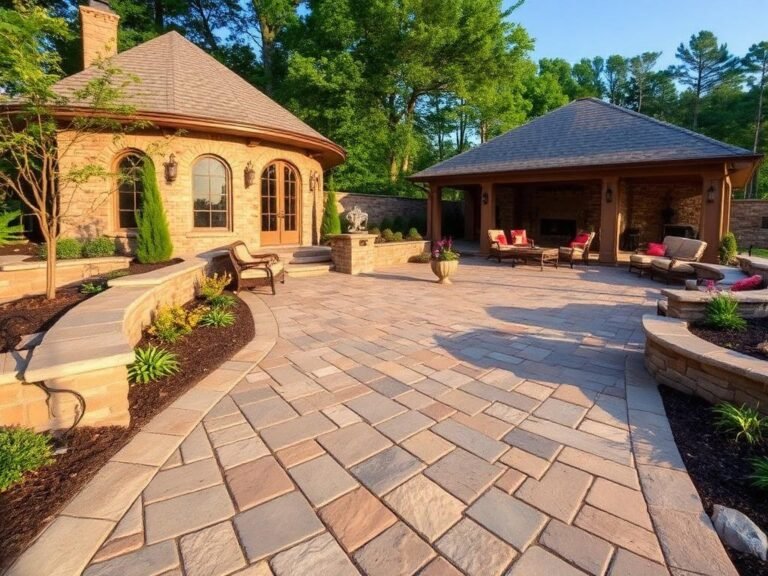
Common hard landscaping features include patios for outdoor seating, garden paths that guide movement through the space, and retaining walls that help manage slopes or create raised areas. Decking is also a popular option for creating elevated seating areas or modern outdoor living spaces.
Raised beds can add visual interest and make planting easier to maintain. When selecting materials for these features, it’s a good idea to choose options that complement the style of your home. For example, natural stone or paving slabs often work well with traditional houses, while composite decking may suit more modern properties.
5. Select the Right Plants
Plants are what bring colour, texture, and life to a garden. Choosing the right plants ensures your outdoor space looks attractive throughout the year while remaining manageable to maintain.
Start by selecting plants that suit the conditions of your garden. Sun-loving plants should be placed in bright areas, while shade-tolerant plants work better in darker spots. Soil type also matters, as some plants thrive in well-drained soil while others prefer richer, moisture-retaining ground.
A balanced garden usually includes a mixture of evergreen plants, seasonal flowers, shrubs, and ornamental grasses. Evergreen plants provide structure and year-round greenery, while flowers add seasonal colour and variety. It’s also important to leave enough space between plants so they have room to grow to their full mature size without overcrowding.
6. Add Lighting and Decorative Features
Lighting and decorative elements can significantly enhance the atmosphere of a garden, especially during the evening. Outdoor lighting improves visibility and safety while also highlighting important design features.
Garden lighting can be installed along pathways, around patios, or near steps to make the space easier to navigate at night. Spotlights can also highlight trees, plants, or architectural features to create a more dramatic visual effect.
Decorative additions such as water features, pergolas, and stylish garden edging can further enhance the design. Pergolas, for example, can create shaded seating areas or support climbing plants. Decorative stones, gravel borders, and edging help define garden beds and give the overall landscape a more polished appearance.
7. Install Turf, Gravel or Ground Cover
The final step in many landscaping projects is choosing the right ground surface. Ground cover helps define spaces within the garden while also improving practicality and maintenance.
Natural grass lawns remain a popular option because they provide a soft, green space that is ideal for relaxation or play areas. However, some homeowners prefer artificial grass because it requires less maintenance and stays green all year round.
Decorative gravel is another practical option that works well for pathways, borders, or low-maintenance garden areas.
Bark mulch or organic ground cover can also be used in planting beds to help retain moisture and reduce weed growth. Selecting the right surface materials helps create a garden that is both visually appealing and easy to maintain.
Landscaping Ideas for Small London Gardens
Small gardens are very common in areas like Peckham and across South East London, but limited space does not mean you have to compromise on style or functionality. With the right landscaping ideas and thoughtful design, even compact urban gardens can feel open, relaxing, and visually impressive. The key is to use space efficiently while incorporating elements that add depth and interest.
Vertical planting is a popular solution for smaller gardens because it allows plants to grow upward rather than taking up valuable ground space. Wall planters, trellises, and climbing plants can transform plain fences or walls into attractive green features. Raised beds are another smart option, as they create defined planting areas while adding structure to the layout.
Built-in seating can also save space while providing a practical area for relaxing or entertaining guests. Multi-level patios or decking can visually separate different zones within the garden. Additionally, using mirrors or lighter colours in walls and paving can help reflect light and make the garden appear larger and brighter.
Common Garden Landscaping Mistakes to Avoid
Landscaping a garden can greatly improve your outdoor space, but certain mistakes can make the process more expensive or lead to disappointing results. One of the most common mistakes is starting a project without proper planning. Without a clear layout or design, features may end up poorly positioned or not work well together.
Another frequent issue is choosing plants that are not suitable for the local climate or garden conditions. Plants that require more sunlight, shade, or water than your garden provides may struggle to survive. Drainage problems are also often overlooked during landscaping projects. Poor drainage can lead to water pooling, damaged plants, or structural problems with patios and pathways.
Overcrowding plants is another mistake many homeowners make when trying to create a full garden quickly. Plants need enough room to grow properly, and overcrowding can cause them to compete for sunlight and nutrients.
Finally, ignoring long-term maintenance can lead to gardens that become difficult to manage over time. Planning with maintenance in mind ensures your garden remains attractive and practical for years to come.
How Much Does Garden Landscaping Cost in London?
The cost of landscaping a garden in London can vary significantly depending on the size of the garden, the materials used, and the complexity of the design. Every landscaping project is different, so prices can range from relatively affordable improvements to larger investments for full garden transformations.
Understanding the main factors that affect landscaping costs can help homeowners plan their budget more effectively.
One of the biggest factors is the size of the garden, as larger spaces require more materials and labour. The materials chosen also play an important role. For example, natural stone paving or hardwood decking may cost more than basic concrete slabs or gravel.
The complexity of the design can also influence the overall cost, especially if the project includes multiple levels, retaining walls, or detailed planting schemes.
Another key factor is the balance between hard landscaping and soft landscaping. Hard features such as patios, decking, or walls typically require more labour and materials than planting. In London, small garden landscaping projects may start from around £2,000–£5,000, while full garden redesigns with patios, decking, and planting can range between £8,000–£20,000 or more, depending on the scope of work.
Should You DIY or Hire a Professional Landscaper?
Many homeowners consider whether they should landscape their garden themselves or hire a professional landscaper. While some smaller tasks can be completed as DIY projects, larger landscaping work often requires professional expertise to achieve the best results.
DIY landscaping can work well for simple projects such as planting flowers, installing small garden beds, or making minor layout changes. Homeowners who enjoy gardening may also prefer to handle routine planting or seasonal updates themselves. These smaller improvements can refresh the garden without requiring specialist tools or construction skills.
However, professional landscaping is usually the better option for larger or more complex projects. Full garden redesigns, patio installations, paving work, drainage systems, and structural features like retaining walls often require professional experience and specialised equipment. Hiring professionals also helps ensure the work is completed safely, efficiently, and to a high standard.
For homeowners in Peckham, South East London, and across Greater London, working with experienced landscapers such as JPD Landscaping & Building Services can make the entire process easier—from design and planning to construction and finishing.
Professional Garden Landscaping in Peckham & South East London
If you want to completely transform your outdoor space, working with experienced professionals can make a significant difference. A professional landscaping team can help turn your ideas into a practical and attractive design while ensuring all elements of the garden are built to a high standard. From planning and layout to installation and finishing touches, expert landscapers can manage the entire process efficiently.
JPD Landscaping & Building Services provides reliable garden landscaping solutions for homeowners across Peckham, South East London, and surrounding areas throughout Greater London. Our team specialises in designing and building outdoor spaces that are both functional and visually appealing. Whether you want a modern patio area, a new lawn, or a full garden transformation, we aim to create outdoor environments that suit your lifestyle and property style.
Our landscaping services include garden design, patio installation, decking, turfing, and complete garden renovations. We regularly work with homeowners in areas such as Peckham, Camberwell, Lewisham, Greenwich, Dulwich, Brixton, and across South East London.
If you’re planning to improve your garden, contact JPD Landscaping & Building Services today to get a free quote and start your landscaping project
FAQs – How to Landscape a Garden
How do beginners start landscaping a garden?
Beginners should start by assessing their garden space and understanding its conditions. Measure the area, observe sunlight and shade, and check the soil type. These factors will help determine what plants and features will work best.
Next, decide how you want to use the garden, such as for relaxing, dining, or creating a play area. Creating a simple layout plan with zones for lawns, patios, or planting beds can make the process much easier and more organised.
What is the cheapest way to landscape a garden?
The cheapest way to landscape a garden is by focusing on simple improvements that make a noticeable difference. Planting low-maintenance shrubs, flowers, or ground cover plants can quickly improve the appearance of the space.
Using affordable materials like gravel, bark mulch, or reclaimed paving stones can also help create paths or borders without a large budget. Gradually improving the garden over time is another effective way to keep landscaping costs manageable.
How do you landscape a small garden?
Landscaping a small garden requires smart use of space and a clear layout. Dividing the garden into zones for seating, planting, and pathways can help make the area feel more organised and functional.
Vertical planting with trellises or wall planters is also a great way to add greenery without using too much ground space. Light colours, mirrors, and built-in seating can further help a small garden appear larger and more open.
What plants are best for UK gardens?
Plants that adapt well to the UK’s climate are usually the best choice. Hardy shrubs, ornamental grasses, lavender, hydrangeas, and roses are popular options for many gardens.
A mix of evergreen plants and seasonal flowers can help keep the garden attractive throughout the year while requiring manageable levels of maintenance.
How long does garden landscaping take?
The time required depends on the size and complexity of the project. Smaller landscaping improvements may take a few days, while larger garden redesigns with patios, decking, or pathways can take several weeks.
Proper planning and preparation also play a role in the timeline, helping ensure the work is completed efficiently and to a high standard.
Final Thoughts:
Landscaping a garden is a great way to transform an outdoor space into something both practical and visually appealing. By following a clear process—assessing your garden space, deciding how you want to use it, planning a layout, choosing the right plants, and installing suitable features—you can create a garden that suits your lifestyle and adds value to your home.
Careful planning is one of the most important steps in any landscaping project. Taking the time to understand your garden’s conditions and designing the layout before starting work helps avoid common mistakes and ensures the final result is both functional and attractive.
If you’re planning to improve your outdoor space, JPD Landscaping & Building Services provides professional landscaping solutions across Peckham, South East London, and Greater London. Our team can help with garden design, patios, decking, turfing, and full garden renovations.
Contact JPD Landscaping & Building Services today to get a free quote and start transforming your garden.