Landscape architecture is the design and planning of outdoor spaces to create environments that are both functional and visually appealing. It combines elements of design, nature, planning, and construction to shape how people interact with outdoor areas.
Professionals in this field consider features such as plants, terrain, water elements, pathways, lighting, and built structures to create spaces that are practical, sustainable, and attractive. Landscape architecture can be applied in many settings, including private gardens, public parks, streetscapes, commercial developments, and urban green spaces.
Unlike simple gardening, which mainly focuses on planting and maintenance, landscape architecture involves careful planning and design to ensure that outdoor areas work well for both people and the environment. This is especially important in large cities like London, where outdoor space is often limited and needs to be used efficiently.
Thoughtful design can maximise small gardens, improve sustainability, and create relaxing outdoor environments. At JPD Landscaping & Building Services, we understand how well-planned landscaping and hardscaping can transform gardens across Peckham, South East London, and Greater London, helping homeowners make the most of their outdoor spaces.
What Does Landscape Architecture Mean?
Landscape architecture refers to the professional practice of planning and designing outdoor spaces so they are functional, sustainable, and visually pleasing. It involves creating a balance between natural elements such as plants, soil, and water and built features like patios, pathways, retaining walls, and structures. The goal is to design environments that not only look beautiful but also work well for everyday use while supporting natural ecosystems.
In practice, landscape architecture can apply to many types of outdoor environments. These include residential gardens, urban parks, streetscapes, commercial properties, and residential developments.
Designers analyse how people use outdoor areas and then create layouts that improve accessibility, comfort, and environmental performance. For example, good landscape design may include drainage solutions, shaded seating areas, or carefully selected plants suited to the local climate.
By combining practical planning with creative design, landscape architecture improves how outdoor spaces function and feel. Whether it is a small city garden or a large public park, thoughtful design can transform land into a space that benefits both people and nature.
Why Landscape Architecture Is Important for Cities and Communities
Landscape architecture plays an important role in improving the quality of life in cities and communities. In urban areas where buildings and roads dominate the environment, well-designed green spaces help provide balance. Parks, gardens, and landscaped streets offer places where people can relax, socialise, and enjoy nature.
These spaces also bring important environmental benefits. Plants and trees help improve air quality, reduce heat in built-up areas, and support wildlife habitats. Thoughtful landscape design can also manage rainwater more effectively, reducing the risk of flooding and improving drainage in cities.
For residential neighbourhoods, good landscape architecture can make outdoor spaces more functional and attractive. Well-designed gardens and shared green areas often increase property value and encourage people to spend more time outdoors.
In areas like Peckham and across South East London, where outdoor space can be limited, professional landscape planning helps homeowners maximise every part of their garden while creating a space that feels calm, practical, and connected to nature.
What Do Landscape Architects Do?
Landscape architects are responsible for planning, designing, and improving outdoor environments so they are both functional and visually appealing. Their work begins with analysing a site’s conditions, including soil quality, drainage patterns, climate, and existing vegetation. By understanding these factors, they can design outdoor spaces that work well with the natural environment rather than against it.
Once the site is studied, landscape architects create design plans and layouts that show how different elements—such as planting areas, pathways, patios, water features, and green spaces—will fit together.
These plans help ensure the outdoor space is practical, attractive, and sustainable. Landscape architects often collaborate with architects, engineers, developers, and construction teams to integrate landscape design with buildings and infrastructure.
They may also oversee the implementation stage, ensuring the project follows the original design and meets quality standards. Their work can be seen in many settings, including parks, residential gardens, plazas, campuses, and urban developments, where thoughtful design improves how people experience outdoor spaces.
Planning and Designing Outdoor Spaces
Planning and designing outdoor spaces is one of the main responsibilities of landscape architects. This process starts with evaluating the land and understanding how the space will be used. Designers consider factors such as sunlight, drainage, soil conditions, and the surrounding environment before developing a layout that makes the most of the available area.
Once these factors are assessed, they create detailed plans that include planting schemes, pathways, seating areas, water features, and structural elements like retaining walls or decking.
The goal is to ensure that all parts of the outdoor space work together harmoniously. Good design also focuses on accessibility and functionality, making sure the space is easy to use and maintain.
For residential projects, this planning process helps transform ordinary gardens into well-organised outdoor living spaces. By combining creative design with practical planning, landscape architects help homeowners enjoy gardens that are attractive, functional, and suited to their lifestyle.
Managing Landscape Projects from Concept to Completion
Landscape architects are often involved throughout the entire project, from the initial concept to the final installation. After creating the design plan, they coordinate with builders, landscapers, and other professionals to ensure the project is carried out correctly. This collaboration is essential for complex outdoor projects where multiple elements—such as drainage systems, paving, and planting—must be installed in the correct order.
During construction, landscape architects may monitor progress and make adjustments if needed. They ensure that materials, plant selections, and structural elements match the design specifications. This level of oversight helps maintain the overall vision and ensures the final result meets both functional and aesthetic goals.
By managing projects from start to finish, landscape architects help turn design ideas into reality. Their involvement ensures outdoor spaces are built safely, efficiently, and to a high standard, creating environments that people can enjoy for many years.
Key Elements of Landscape Architecture
Landscape architecture relies on several core elements that work together to create a well-balanced outdoor environment. Designers carefully combine natural features such as landforms, plants, and water with built elements like paving, pathways, walls, and seating areas. When these components are arranged thoughtfully, they form a cohesive design that is both practical and visually appealing.
One important goal of landscape architecture is achieving the right balance between aesthetics and functionality. Outdoor spaces should look attractive, but they must also serve a purpose—whether that’s providing relaxation areas, improving drainage, or creating safe walkways. By considering both natural systems and human needs, designers can create spaces that feel comfortable and usable throughout the year.
Landscape architecture projects can range from small residential gardens to large public parks, but the same design principles apply. The careful integration of natural and structural elements helps ensure the outdoor space functions effectively while enhancing the overall appearance of the environment.
Landform, Plants, Water, and Structures
Four key elements often form the foundation of landscape architecture: landform, vegetation, water, and structures. Landform refers to the shape and layout of the land itself, including slopes, levels, and contours. Adjusting landform can improve drainage, create visual interest, and define different areas within a landscape.
Plants and vegetation are equally important because they bring life, colour, and texture to outdoor spaces. Trees, shrubs, and flowers can provide shade, privacy, and habitat for wildlife. Water features such as ponds, fountains, or streams add movement and a calming atmosphere, while also helping manage water flow in certain designs.
Structures complete the design by introducing functional elements like patios, pergolas, decking, or retaining walls. Together, these components create an outdoor environment that feels balanced and purposeful.
Hardscape vs Softscape in Landscape Design
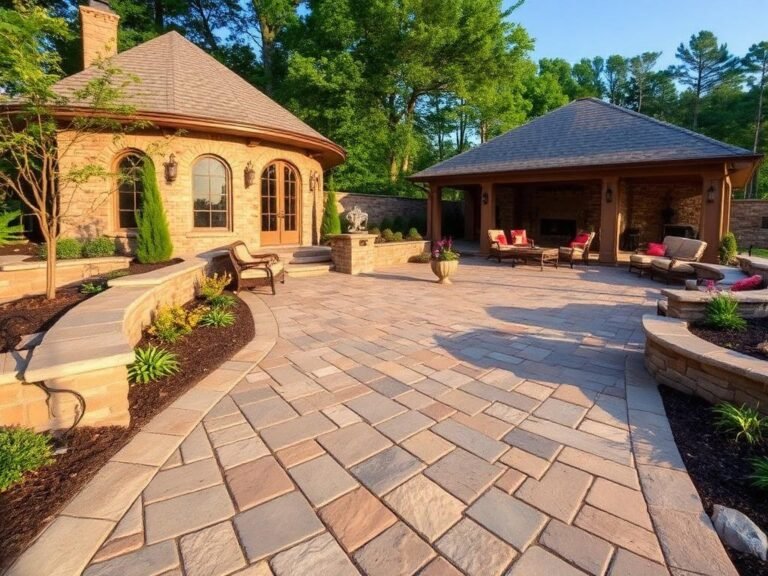
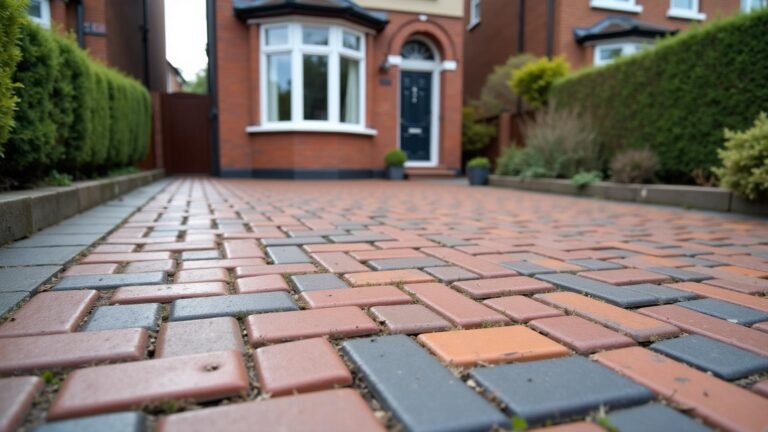
Landscape design is often divided into two main categories: hardscape and softscape. Hardscape refers to the non-living structural elements in a landscape, such as patios, paving, driveways, walls, steps, and decking. These features provide structure, define pathways, and create usable outdoor areas for activities like seating or dining.
Softscape, on the other hand, includes the living elements of the landscape. This category covers grass, plants, trees, shrubs, and flower beds, which add colour, texture, and natural beauty to outdoor spaces. Softscape also helps improve environmental benefits such as air quality and biodiversity.
A successful landscape design balances both elements. Too much hardscape can make a space feel rigid and artificial, while too much softscape may lack structure. By carefully combining the two, designers create outdoor spaces that are both functional and visually inviting.
Where Landscape Architecture Is Used
Landscape architecture is used in a wide variety of environments, ranging from small private gardens to large public spaces and entire urban developments. The goal is always the same: to create outdoor areas that are functional, visually appealing, and environmentally sustainable. Designers consider how people interact with the space and how natural elements like plants, water, and terrain can enhance both usability and aesthetics.
In residential settings, landscape architecture helps transform gardens into organised outdoor living areas. In urban environments, it plays a vital role in designing parks, public squares, green corridors, and streetscapes that improve city life. Commercial developments such as office campuses, hotels, and retail centres also rely on landscape design to create welcoming outdoor environments for visitors and employees.
Another important application is environmental restoration, where landscape architects help restore damaged ecosystems, improve drainage systems, and introduce sustainable planting strategies. Because of its versatility, landscape architecture can be applied across many scales—from private gardens in neighbourhoods like Peckham to large public green spaces throughout Greater London.
Landscape Architecture in Residential Gardens
Landscape architecture plays an important role in designing residential gardens that are both attractive and practical. Instead of simply adding plants or decorative features, professional design focuses on creating a well-organised layout that maximises the available space. Designers consider elements such as pathways, patios, planting areas, seating zones, and drainage solutions to ensure the garden works well for everyday use.
In cities like London, where garden space is often limited, careful planning becomes even more important. A well-designed residential landscape can create the feeling of a larger, more open environment while still meeting practical needs. Features such as multi-level patios, raised beds, or integrated seating can make a small garden more functional and visually appealing.
Landscape architecture also considers maintenance and sustainability. By selecting suitable plants and designing efficient layouts, homeowners can enjoy gardens that remain attractive while requiring less effort to maintain over time.
Landscape Architecture in Cities and Public Spaces
Landscape architecture is essential for shaping public spaces within cities and urban communities. Parks, plazas, streetscapes, and green corridors are all designed to provide areas where people can relax, socialise, and connect with nature. In busy urban environments, these green spaces offer important benefits such as improved air quality, shade, and opportunities for recreation.
Designers must carefully consider how large numbers of people will move through these spaces. Pathways, seating areas, lighting, and planting schemes are arranged to create environments that are safe, accessible, and enjoyable for everyone. Urban landscape design also often includes stormwater management, sustainable planting, and biodiversity support to improve environmental performance.
In cities like London, where population density is high, thoughtfully designed public landscapes play a major role in improving the quality of life for residents. Well-planned parks and green spaces make urban areas more liveable and visually appealing.
Landscape Architecture vs Landscaping: What’s the Difference?
Although the terms are sometimes used interchangeably, landscape architecture and landscaping are not exactly the same. Landscape architecture focuses on the planning and design stage of outdoor environments.
It involves analysing site conditions, creating detailed design plans, and developing a vision for how the space should look and function. This process often includes technical considerations such as drainage systems, land grading, and environmental sustainability.
Landscaping, on the other hand, focuses more on the construction, installation, and maintenance of outdoor spaces. Landscapers implement the design plans by building patios, laying turf, installing planting beds, and constructing features like walls, decking, or pathways. They also maintain these spaces over time through services such as pruning, lawn care, and general garden upkeep.
In many projects, both roles are essential. Landscape architects create the overall vision and design strategy, while landscaping professionals bring those ideas to life through skilled construction and ongoing care.
Design vs Construction in Outdoor Spaces
The key difference between landscape architecture and landscaping lies in the stage of the project they focus on. Landscape architecture is primarily concerned with design and planning. Professionals analyse the site, create layouts, select materials, and develop a design concept that meets both functional and aesthetic goals.
Landscaping focuses on building and implementing these plans. Landscapers install hardscape features such as paving, patios, and retaining walls, as well as softscape elements like lawns, trees, and flower beds. Their work transforms design concepts into real outdoor environments.
Both stages are equally important for a successful project. Without proper design, a garden may lack structure or functionality. Without skilled construction, even the best design may not be executed correctly. Together, they ensure the final outdoor space works as intended.
How Landscape Architects and Landscapers Work Together
Landscape architects and landscapers often collaborate closely on outdoor projects. After the design phase is completed, landscapers use the plans to guide the construction and installation process. They bring practical expertise in materials, construction techniques, and planting methods, ensuring that the design is built accurately and safely.
During the project, landscapers may also provide feedback on materials or construction methods that improve durability or cost efficiency. This collaboration helps refine the design and ensures the finished landscape meets both aesthetic and functional expectations.
For homeowners, this partnership results in a smoother process from concept to completion. A well-designed landscape combined with professional installation creates outdoor spaces that are not only beautiful but also long-lasting and practical for everyday use.
Why Landscape Architecture Matters for London Homes
Landscape architecture plays an important role in improving outdoor spaces for homes in large cities like London. In dense urban areas where gardens are often small or irregularly shaped, thoughtful design helps homeowners make the most of every square metre. Professional landscape planning considers factors such as space efficiency, drainage, sunlight, and plant selection to create outdoor areas that are both attractive and practical.
One major benefit is the ability to maximise limited garden space. Features like multi-level patios, raised beds, vertical planting, and integrated seating can transform even compact gardens into functional outdoor living areas. Landscape architecture also supports sustainable drainage and green infrastructure, helping manage rainwater while improving biodiversity.
Another advantage is the potential to increase property value. Well-designed gardens and outdoor features often make homes more appealing to buyers and create a more enjoyable living environment for residents. For homeowners across Peckham, South East London, and Greater London, professional landscape planning can turn ordinary gardens into relaxing, well-structured spaces that complement the property.
Improving Outdoor Living in South East London
Outdoor living has become increasingly important for homeowners across South East London, especially in neighbourhoods like Peckham where private garden space is highly valued. Landscape architecture helps transform gardens into practical outdoor environments where families can relax, entertain, and spend more time outside.
Careful design can include features such as patios for seating, decking areas for outdoor dining, pathways for easy movement, and planting schemes that create privacy and shade. By organising these elements effectively, even small gardens can feel more spacious and comfortable. Designers also consider how the space will be used throughout the year, ensuring it remains functional during different seasons.
A well-designed outdoor space not only improves everyday living but also enhances the overall appearance of a property. For many homeowners in South East London, investing in professional landscape planning allows them to enjoy a garden that feels like an extension of their home.
Creating Sustainable Urban Green Spaces
Sustainability is becoming an important focus in modern landscape architecture, especially in large cities. Urban environments often face challenges such as limited green space, heat buildup, and heavy rainfall, which can affect both residents and the environment. Landscape design can help address these issues by introducing more greenery and sustainable features.
For example, planting trees and shrubs can improve air quality and provide shade, while permeable paving and drainage systems help manage rainwater and reduce flooding risks. Designers may also incorporate native plants and wildlife-friendly planting schemes to support biodiversity in urban areas.
In neighbourhoods across Greater London, sustainable landscape design helps create healthier and more resilient communities. By combining environmental awareness with practical design solutions, landscape architecture contributes to greener cities and more enjoyable outdoor spaces.
FAQs
What is the main purpose of landscape architecture?
The main purpose of landscape architecture is to design outdoor spaces that are functional, attractive, and sustainable. It focuses on planning how elements like plants, pathways, water features, and structures work together to create balanced environments for people to enjoy.
Is landscape architecture the same as landscaping?
No. Landscape architecture focuses on planning and design, while landscaping focuses on installation and maintenance. Landscape architects create the layout and vision, and landscapers build and maintain the outdoor space.
Do I need a landscape architect for my garden?
Not every garden requires a landscape architect, but professional design can help with large renovations, complex layouts, or drainage issues. For smaller projects, experienced landscaping companies can often provide both design guidance and installation.
What projects do landscape architects work on?
Landscape architects work on a wide range of projects including residential gardens, parks, public spaces, commercial properties, and urban developments. Their role is to design outdoor environments that are practical and visually appealing.
How does landscape architecture improve outdoor spaces?
Landscape architecture improves outdoor spaces by creating well-planned layouts that balance plants, structures, and open areas. This makes gardens and public spaces more functional, attractive, and enjoyable
Conclusion
Landscape architecture is the process of planning and designing outdoor spaces so they are functional, attractive, and environmentally balanced. By combining natural elements like plants and landforms with built features such as patios, pathways, and structures, it creates outdoor environments that are both practical and visually appealing. This thoughtful approach ensures that spaces are designed not only for beauty but also for long-term usability and sustainability.
In busy urban areas like Peckham, South East London, and Greater London, landscape architecture plays an important role in making the most of limited outdoor space. Well-planned gardens and green areas can improve property value, support environmental sustainability, and create comfortable outdoor living spaces for homeowners.
Professional landscaping companies help bring these design ideas to life by turning plans into well-built outdoor environments. At JPD Landscaping & Building Services, we specialise in creating high-quality landscaping and hardscaping solutions that transform gardens into functional and beautiful spaces. With the right design and expert installation, any outdoor area can become a place to relax, entertain, and enjoy nature.