Soft landscaping refers to the living, plant-based elements of a garden or outdoor space. Unlike hard landscaping, which focuses on structural features like patios, decking, or pathways, soft landscaping is all about greenery, soil, and planting schemes. This includes lawns, flower beds, shrubs, trees, climbers, hedges, and seasonal plants that bring colour, texture, and life to outdoor areas.
In urban environments like Peckham and South East London, where gardens are often compact, soft landscaping plays a crucial role in maximizing greenery and creating inviting spaces. It helps homeowners make the most of their outdoor areas, whether for relaxation, entertaining, or simply adding aesthetic value. Soft landscaping also supports local ecosystems, improves air quality, and provides natural shade and privacy.
At JPD Landscaping & Building Services, we specialise in designing and installing soft landscaping solutions that complement hard features, ensuring gardens are both functional and visually appealing. Our expertise helps transform ordinary urban plots into lush, vibrant, and well-balanced outdoor environments.
Soft Landscaping Explained – What It Includes
Soft landscaping covers all the living components of a garden, combining plants, soil, and planting techniques to create a thriving outdoor environment. Common elements include lawns or grass areas, flower beds with seasonal or perennial plants, and structural plantings such as trees, hedges, and shrubs. These elements not only add visual appeal but also create boundaries, privacy, and microclimates within the garden.
Other essential aspects include climbers, ground cover, and garden borders, which help define spaces while adding layers of greenery. Seasonal planting schemes introduce variety and interest throughout the year, ensuring the garden remains colourful and vibrant across different months.
Preparation is key: soil improvement, mulching, and correct planting methods support plant health and longevity. By combining these living elements thoughtfully, soft landscaping enhances the overall design, providing balance with hard landscaping features like patios or decking.
Living Elements That Make Up Soft Landscaping
Soft landscaping consists of all the plants and organic features that bring a garden to life. Lawns and grass areas form the foundational layer, creating open space for activities or visual balance. Trees, shrubs, and hedges add height, structure, and privacy while flowering plants provide seasonal colour. Climbers and ground covers can fill vertical or horizontal gaps, helping smaller urban gardens feel lush and full.
Borders and planting beds define areas of the garden and guide movement, while seasonal and perennial planting ensures variety throughout the year. By integrating these living elements, soft landscaping transforms outdoor spaces into vibrant, enjoyable, and ecologically supportive environments.
How Soft Landscaping Enhances Garden Ecosystems
Beyond aesthetics, soft landscaping contributes to the health of local ecosystems. Plants provide habitats for birds, insects, and other wildlife, encouraging biodiversity in urban gardens. Trees and shrubs can regulate microclimates, offering shade in summer and wind protection in colder months. Proper planting also reduces soil erosion and improves drainage, helping manage rainwater sustainably.
By carefully choosing plants suited to the soil, light, and local climate of South East London gardens, homeowners can create outdoor spaces that are not only visually pleasing but also supportive of nature, promoting a healthier, more resilient environment around their homes.
Soft Landscaping vs Hard Landscaping
Soft landscaping and hard landscaping are two complementary elements in garden design. While soft landscaping focuses on living elements such as lawns, trees, shrubs, and seasonal plants, hard landscaping deals with structural features like patios, decking, garden paths, walls, and fences. Both are essential for creating functional and visually balanced gardens.
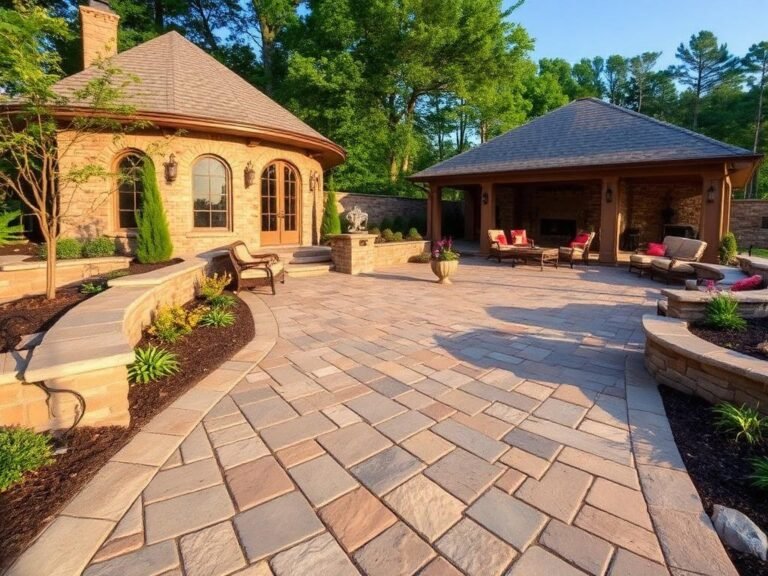
For example, a lawn (soft landscaping) provides open space and greenery, while a stone patio (hard landscaping) offers a solid area for seating and entertaining. Trees and hedges can frame hard features, while garden paths connect different zones, combining practicality with aesthetics.
Professional designers balance these elements to achieve cohesion. In London gardens, where space is limited, combining soft and hard landscaping thoughtfully ensures maximum usability, beauty, and longevity of the outdoor environment, making it both practical and inviting.
Key Differences Between Soft and Hard Landscaping
The primary difference is that soft landscaping involves living elements, whereas hard landscaping consists of built or structural components. Soft landscaping brings colour, texture, and ecological benefits, while hard landscaping defines shape, creates functional surfaces, and adds durability. Both are interdependent: soft landscaping softens hard edges, and hard landscaping provides structure and accessibility.
Choosing the right balance is crucial, especially in urban areas like Peckham, to ensure gardens are visually appealing, practical, and easy to maintain.
Why Balance Matters in Garden Design
A garden succeeds when soft and hard landscaping are harmoniously integrated. Overemphasising hard features can make a space feel sterile, while too much greenery may reduce functionality or accessibility. Balanced design creates areas for relaxation, entertainment, and planting without crowding the garden.
For smaller London gardens, professional guidance ensures the placement of plants, paths, lawns, and patios maximises both space and aesthetics. At JPD Landscaping & Building Services, we design layouts where hard structures support soft landscaping, resulting in gardens that are practical, sustainable, and visually stunning.
Why Soft Landscaping Is Important
Soft landscaping plays a vital role in creating outdoor spaces that are not only beautiful but also functional and environmentally supportive. By incorporating living elements such as lawns, trees, shrubs, and flowering plants, soft landscaping significantly improves the aesthetics and curb appeal of any property.
In urban areas like Peckham, SE15, and South East London, where outdoor space is limited, well-planned planting can make even small gardens feel spacious, vibrant, and inviting.
Beyond visual appeal, soft landscaping supports local biodiversity by providing habitats for birds, insects, and pollinators. Trees and shrubs also influence the microclimate, offering shade, cooling in summer, and protection against wind.
Green spaces contribute to better air quality and soften hard surfaces like patios, walls, or driveways, creating a more balanced and comfortable environment. Thoughtful soft landscaping elevates both the functionality and sustainability of a garden while enhancing the overall quality of life for homeowners.
Aesthetics & Visual Appeal in London Gardens
In densely populated areas like South East London, garden size and layout are often constrained, making visual design crucial. Soft landscaping adds colour, texture, and depth, transforming compact urban spaces into appealing retreats. Flower beds, shrubs, and carefully positioned trees can frame hard features like patios and pathways, creating harmony between living and structural elements.
Seasonal planting introduces variety throughout the year, keeping gardens lively and attractive even in colder months. Well-maintained lawns and borders contribute to a polished appearance, which not only enhances daily enjoyment but also increases property value, making soft landscaping a practical and aesthetic investment for London homeowners.
Environmental Benefits of Soft Landscaping
Soft landscaping offers environmental advantages that go beyond beauty. Trees and shrubs improve air quality by filtering pollutants and providing oxygen. Plant roots support soil health, reduce erosion, and enhance drainage in urban plots. Gardens with diverse plantings create habitats for wildlife, encouraging birds, bees, and other pollinators to thrive.
Soft landscaping also moderates microclimates by cooling spaces in summer, reducing heat from paved surfaces, and acting as windbreaks during colder months. In compact London gardens, these benefits are especially valuable, helping to create healthier, more sustainable outdoor environments while supporting ecological balance.
How Soft Landscaping Works in Urban Gardens
Urban gardens in Peckham and Greater London often face unique challenges. Limited space, shade from nearby buildings, and variable soil quality can make traditional planting difficult. Soft landscaping in these settings requires creative solutions that maximize greenery without overcrowding the garden.
Techniques such as vertical gardens, raised beds, and carefully planned container planting allow homeowners to introduce lush greenery even in small areas. Using plants suited to urban microclimates ensures longevity and reduces maintenance needs. By adapting planting choices and layout strategies to local conditions, soft landscaping transforms constrained spaces into functional, inviting, and ecologically friendly gardens that enhance urban living.
Soft Landscaping for Small Peckham Gardens
Small gardens in Peckham demand efficient use of space. Lawns can be scaled to fit limited areas, while flower beds and shrubs can be positioned along borders to leave room for seating or pathways. Raised beds help maximize growing space and improve soil quality in urban plots.
Even with compact dimensions, careful plant selection and layout can create a sense of depth and openness. Combining evergreen and seasonal plants ensures year-round appeal, while retaining practical areas for play or relaxation. Soft landscaping in small gardens balances beauty with functionality, making urban outdoor spaces feel larger and more inviting.
Vertical Planting and Space‑Saving Ideas
Vertical planting is a key solution for space-limited London gardens. Trellises, wall-mounted planters, and climbing plants turn walls or fences into living features, adding greenery without occupying floor space. This approach also improves privacy and can soften hard surfaces like brick walls or fencing.
Stacked or tiered planters allow multiple layers of plants in compact areas, while herbs or flowers in vertical arrangements create functional and visually appealing spaces. When combined with ground-level planting and careful layout, vertical solutions maximize greenery, improve aesthetics, and bring the benefits of soft landscaping to small urban gardens.
Common Soft Landscaping Mistakes
Even with careful planning, soft landscaping can go wrong if common mistakes are overlooked. One of the most frequent errors is choosing plants unsuitable for the local climate or soil. Plants that require more sunlight, specific soil types, or more water than your garden provides may struggle or fail to thrive. Overcrowding plants is another issue, as it limits growth, airflow, and access to nutrients, which can result in unhealthy vegetation.
Ignoring seasonal changes is also a common mistake; not planning for summer droughts, autumn leaf fall, or winter dormancy can reduce the garden’s year-round appeal. Incorrect planting depth or spacing can compromise plant survival and growth, while lack of maintenance planning can turn a once-healthy garden into a high-maintenance chore.
Homeowners in Peckham and Greater London should address these issues early to ensure a thriving, beautiful garden.
Top Soft Landscaping Mistakes Homeowners Make
Homeowners often overestimate how much space a plant will need or underestimate its growth rate. This leads to crowded flower beds that compete for sunlight and soil nutrients.
Poor selection of plant species for local conditions, such as shade-tolerant plants in sunny spots or drought-sensitive species in exposed areas, is another frequent problem.
Failing to account for seasonal interest is also common—many gardens are vibrant in spring but look bare in winter. By understanding these pitfalls, gardeners can plan better and create sustainable, visually appealing outdoor spaces that flourish across the seasons.
How to Avoid Planting Problems in London Gardens
Urban gardens in Peckham and South East London face unique challenges such as limited sunlight, compact soil, and exposure to city pollution. To avoid planting issues, choose plants adapted to local conditions, and consider soil improvement techniques like mulching and composting.
Maintain proper spacing to allow for growth, and plan planting schemes that account for seasonal changes, ensuring year-round greenery and colour. Regular pruning, feeding, and monitoring for pests help maintain plant health.
With careful selection and maintenance planning, homeowners can avoid common pitfalls and enjoy thriving, balanced soft landscaping in urban gardens.
Soft Landscaping Ideas and Trends
Soft landscaping offers countless opportunities to enhance urban gardens, and current trends focus on maximizing biodiversity, colour, and usability. Native plants, for example, support local wildlife and require less maintenance, making them ideal for London gardens.
Colour-coordinated planting schemes add visual impact, while raised beds and borders help define garden zones and improve soil quality in compact spaces.
Edible gardens, combining vegetables, herbs, and fruit trees with ornamental plants, are becoming increasingly popular. This approach merges aesthetics with practicality, providing fresh produce while maintaining a stylish outdoor environment.
Creative planting, careful layering, and seasonal planning can transform small urban plots into vibrant, multifunctional gardens that look and feel larger than they are.
Best Plants for London & UK Gardens
Selecting the right plants for urban London gardens is essential. Hardy shrubs, flowering perennials, and evergreen species perform well in South East London’s variable climate. Lavender, hydrangeas, box hedges, and ornamental grasses offer low-maintenance structure and year-round appeal.
Native species, such as wildflowers and pollinator-friendly plants, support biodiversity while creating a natural, harmonious look. Combining different plant heights and textures adds depth and visual interest, enhancing both small and larger garden spaces. Proper plant choice ensures a resilient and sustainable soft landscaping scheme.
Seasonal Colour & Year‑Round Interest Planting
A successful soft landscaping plan keeps gardens attractive across all seasons. Spring bulbs provide early colour, summer perennials maintain vibrancy, and autumn foliage adds warmth. Evergreen shrubs and trees provide structure during winter months, ensuring year-round visual appeal.
In small urban gardens, layering seasonal plants with different bloom times, leaf textures, and heights creates a sense of space, movement, and depth, making compact areas feel more dynamic. By carefully planning for seasonal interest, London homeowners can enjoy a lively, engaging garden all year long.
How Much Does Soft Landscaping Cost? (General Guide)
The cost of soft landscaping in London can vary widely depending on garden size, complexity, and plant selection. Smaller gardens in Peckham or SE15 may require only lawn installation, flower beds, or a few shrubs, with costs starting around £1,000–£2,500.
Larger plots, including full planting schemes, trees, and layered hedges, can cost £5,000–£15,000 or more, especially when high-quality soil preparation and irrigation systems are included.
Trees and shrubs typically require more investment upfront due to size, planting technique, and maintenance, while seasonal bedding plants are more affordable but need regular replacement. Homeowners can choose to DIY smaller planting or lawn projects, but for larger designs, professional installation ensures longevity, proper plant health, and compliance with local conditions. Working with experts like JPD Landscaping & Building Services helps balance aesthetics, sustainability, and maintenance requirements, creating soft landscaping that thrives in urban London gardens.
Typical Soft Landscaping Cost Factors
Several factors influence soft landscaping costs. Garden size is primary—larger gardens require more plants, soil, and labour. Plant type and maturity matter; mature trees and shrubs cost more than young saplings or annual bedding.
Soil preparation, irrigation, and drainage systems add to the price, particularly in urban areas with poor soil quality.
Seasonal maintenance and replacement planting should also be considered, as ongoing care affects long-term investment. By understanding these variables, homeowners in South East London can budget effectively for a soft landscaping project that looks attractive and functions well throughout the year.
DIY vs Professional Soft Landscaping
DIY soft landscaping can work for small-scale projects such as planting flowers, adding borders, or installing turf, saving money and offering personal satisfaction. However, larger or complex projects—like tree planting, multi-tiered beds, or soil remediation in compact London gardens—often require professional expertise.
Professional landscapers, such as JPD Landscaping & Building Services, provide design guidance, plant selection, soil preparation, and expert installation, ensuring long-lasting results.
Hiring experts also helps avoid mistakes like improper spacing, poor soil management, or unsuitable plant choices. In urban gardens across Peckham and South East London, professional soft landscaping maximises space, enhances aesthetics, and ensures plants thrive year-round.
FAQs – What Is Soft Landscaping?
Q: What counts as soft landscaping in gardens?
Soft landscaping includes all living elements, such as lawns, trees, shrubs, hedges, flower beds, climbers, and ground cover.
Q: Is turfing part of soft landscaping?
Yes, natural and artificial turf are considered soft landscaping elements because they involve living or green surfaces.
Q: Do hedges and trees count?
Absolutely. Hedges, shrubs, and trees form key structural and visual components of soft landscaping.
Q: How often does soft landscaping need maintenance?
Maintenance depends on plant type, but most gardens require regular watering, pruning, feeding, and seasonal planting updates.
Q: Can soft landscaping be installed on sloping sites?
Yes, with careful plant selection, terracing, or raised beds, soft landscaping can thrive on sloped urban plots.
Conclusion
Soft landscaping is the art of incorporating living elements like plants, lawns, shrubs, and trees to create gardens that are beautiful, functional, and sustainable. It complements hard landscaping by softening structures, adding colour and texture, and supporting biodiversity and urban microclimates.
In London’s dense urban areas—especially Peckham, SE15, and South East London—smart soft landscaping helps maximise limited space, improve property appeal, and create relaxing outdoor environments.
Partnering with professionals like JPD Landscaping & Building Services ensures gardens are designed and installed to thrive in local conditions. Whether you are planning a small urban garden or a larger project, expert guidance guarantees a balance between aesthetics, functionality, and long-term maintenance.